
Introduction
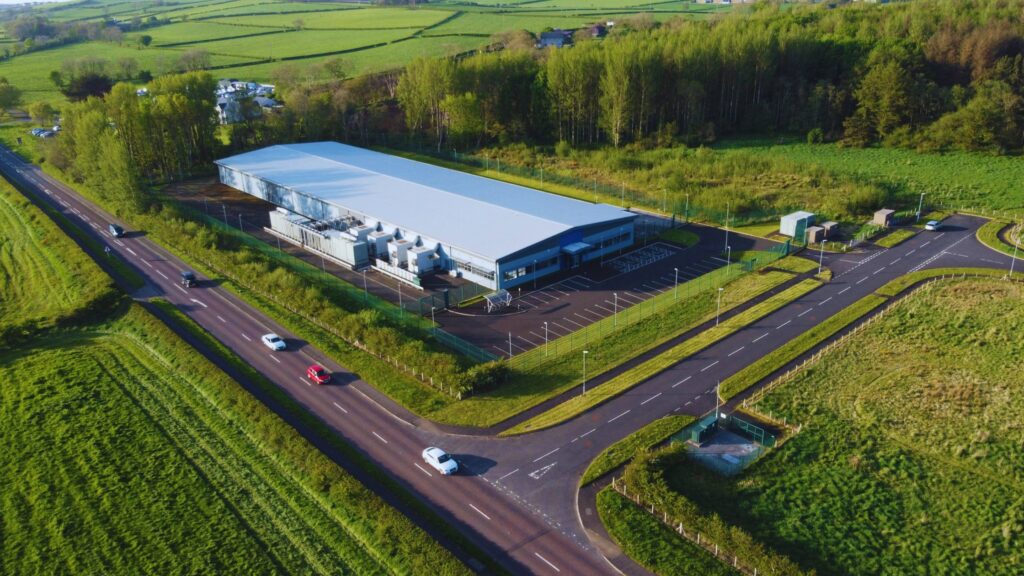
The development of AI data centers is prominent all over the world. They are the product of economic investments in artificial intelligence. However, compared to traditional data centers, AI ones require a lot of resources. The most important is water for cooling. Therefore, running a data center for AI training can reduce water levels in different locations. Countries like India are already tackling water issues, so this new-gen technology can further raise the water crisis.
The Rise of AI Data Centers
AI is the future. You can like it or not, but this technology will determine the upcoming events. The whole IT industry is moving towards AI. They want to reach other sectors as well in the process. For AI to function properly and get better, you need to provide data.
At the end of the day, AI is a layman’s term for large language models or LLMs. Data centers train the LLMs using the high processing power of the installed systems. This whole operation produces heat and requires a continual supply of water for proper cooling.
The Difference Between AI and Traditional Data Centers
Data centers are a big part of the current way of life. They have been here for over decades. However, traditional data centers are different. These are used for hosting, cloud services and basic processing. You can’t train LLMs in these setups without modifications.
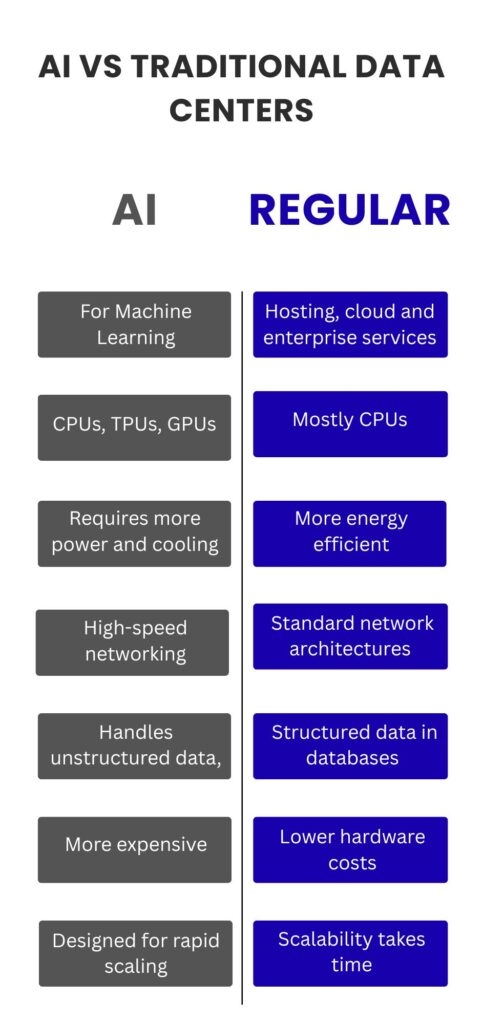
On the other hand, AI data centers are faster and require an endless supply of raw data for better development. This means you need more electricity, computational infrastructure and water for cooling.
Why Data Centers Need High Quantities of Water
The simple answer is to cool the machines and prevent breakdowns. AI data centers require continual operation for proper training and improvements.
Additionally, water also ensures the whole machinery is running efficiently. This means fewer breaks and more work for the whole infrastructure.
How Many Data Centers in India
There are over 130 data centers in the country. The number comprises both traditional and upcoming AI centers. However, the future projects are mostly based on AI.
Big companies are targeting cities with IT industries for establishing AI infrastructure. This means the following areas can face water problems in the upcoming years.
- Visakhapatnam, Andhra Pradesh
- Chandanvelly Industrial Park, Hyderabad
Probable Outcomes for Population
Apart from high water demands for operating data centers, there’s also an issue of persistent buzz sound. It is a perfect example of sound pollution and can interrupt the hearing capabilities of people living nearby.
So the large infrastructure is not only draining water levels but also people’s lifestyle! People who argue with job creation need to understand that AI data centers do not employ many professionals for working.
Making Data Centers Work!
Architects and engineers need to work on cooling systems that can reuse the water in cycles. This way, only a limited quantity of water is required for cooling. It is a more efficient way than letting the water evaporate in the process.
Other than that, the location for data centers should be remote and in places with high water levels. It ensures that people are not disturbed and machines get enough quality water.
Conclusion: AI Data Centers and Water Crisis
The development of AI data centers globally is driven by significant investments in artificial intelligence, which require extensive resources, particularly water for cooling. This has raised concerns in countries like India, where water issues are already prevalent.
India currently hosts over 130 data centers, with a growing focus on AI-centered infrastructures in IT hubs, raising potential water scarcity concerns. To mitigate water usage, architects and engineers should develop cooling systems that reuse water without efficiency loss.