
Introduction
Indian workers are filming themselves using a camera while performing random household chores. This includes slicing veggies and fruits to ironing clothes. For all this, they are being paid by AI companies. However, the reality of this chore is to train the AI models. Furthermore, trained AI models integrated with robots can do the same job without human intervention. So, in a way, Indian workers are training AI robots that might replace them in the future.
Why Do AI Robots Need Human Data?
AI is already capable of generating images, texts, and even videos using the data online. However, performing a physical task is very different. It is a spatial task that takes place in three dimensions and requires a lot of mastery.
Aspects of physical roles:
- Balance
- Grip
- Sequencing
- Real-world variability
In order to train machines in 3D, they need to have first-person footage of human movement and patterns. Therefore, Indian workers are wearing cameras on their heads. This will feed a lot of crucial data for AI to train.
Inside the Job of Training AI
The basic setup of a worker includes head-mounted cameras with motion sensors. So, the person has to mount the camera for the daily tasks. This includes simple tasks like folding towels and ironing clothes, or complex processes like cooking and sewing.
AI training locations:
- Home kitchens
- Textile factories
- Dedicated studios
- Manufacturing plants
The common denominator of these tasks is their repetitive nature. So, once the AI grasps the patterns of the processes, it becomes capable of performing them at the same time. Although it sounds simple, the training time for machines can be very long.
Why Indian Workers for Training AI?
India has one of the largest young populations in the world. Therefore, the country is an ideal place to find talent and skilled workers in different sectors.
On top of that, the country is moving towards a more capitalist job market. This means AI companies can easily employ a large number of workers on a relatively small budget when compared to developed nations.
India also has very strict working hours. It helps companies acquire quality footage over the course of days and months. Thus, AI models can easily train on the vast amount of generated footage.
The Pay and Appeal of Training AI
India has a competitive job market. You’ll call yourself lucky to get 1.5 dollars per hour for the hard labor. So, when a company comes and offers 2-3 dollars per hour for some footage, most of the people will agree.
Little do they know that they are helping the companies develop technologies that might replace them in the future.
People training the AI models:
- Housewives
- Factory workers
- Informal laborers
- Waste and rag pickers
The appeal of training AI models is solely money. You can work from anywhere, and it doesn’t impact your job. In fact, companies want workers to do other tasks while they are recording and collecting the footage.
Training Your Own Replacement
Not all workers know about the repercussions of their actions. They are training the models that are being designed to replace them. Whether they are working knowingly or not, it will surely impact the job market across the world.
At the same time, we should also realise that workers are handing over their crucial information. They do this for compensation, which is frowned upon in developed nations.
Jobs open for humanoid robots in the future:
- Domestic work
- Factory labor
- Food prep
- Cleaning
The Future of India’s Workforce
Training robots and AI models is a short-term opportunity for Indian workers. The ultimate irony of this situation is that workers are helping to train their replacements. It might not happen in the present, but this is the direction where the job market is headed.
Long-term effects of AI replacing humans:
- Displacing workers
- Low economic stability
- Protection of worker rights
- Loss of job security.
Final Thoughts on Indian Workers Training AI Robots
Indian workers are largely contributing to training the latest AI models for performing physical tasks. This is a great step toward the advancement of AI technology and can improve the quality of work. At the same time, it is a revealing situation about the future of work.
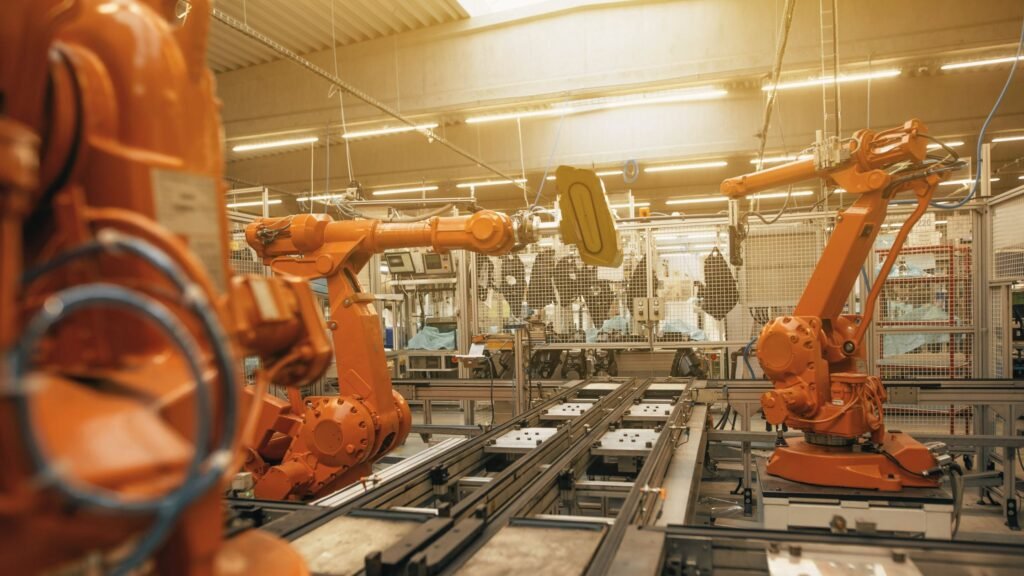
Considering that large-scale manufacturing companies want automation, the need for human labor may decrease. Similarly, the entire job landscape can change, where robots are the majority of the workforce. Thus, workers must invest in skills that can’t be replicated or that have attached value.
FAQs
Will AI take jobs in the future?
AI is expected to take care of repetitive and instruction-based roles, mostly in IT and corporate sectors.
Can robots replace humans?
Robots have already started replacing humans for large-scale manufacturing and cyclical roles.
Why do companies want machines?
Companies use machines to cut costs and increase the efficiency of their operations. People need breaks and work-life balance. However, this is not the case with machines.
What is the future of repetitive jobs?
The majority of the workforce in manufacturing sectors might lose their jobs because of AI-trained robots.