
Introduction
You can observe the decrease in physical buttons in your modern vehicle. Many companies are shifting towards a more software-based approach. But is it really necessary? The increase in screen size in automobiles is not a matter of necessity but of aesthetics. However, does it really make a difference or is it just a selling point that differentiates the two cars? Also, does the increase in screen and touch buttons make driving more practical? Let’s find out!
The Rise of the Screen-First Interior
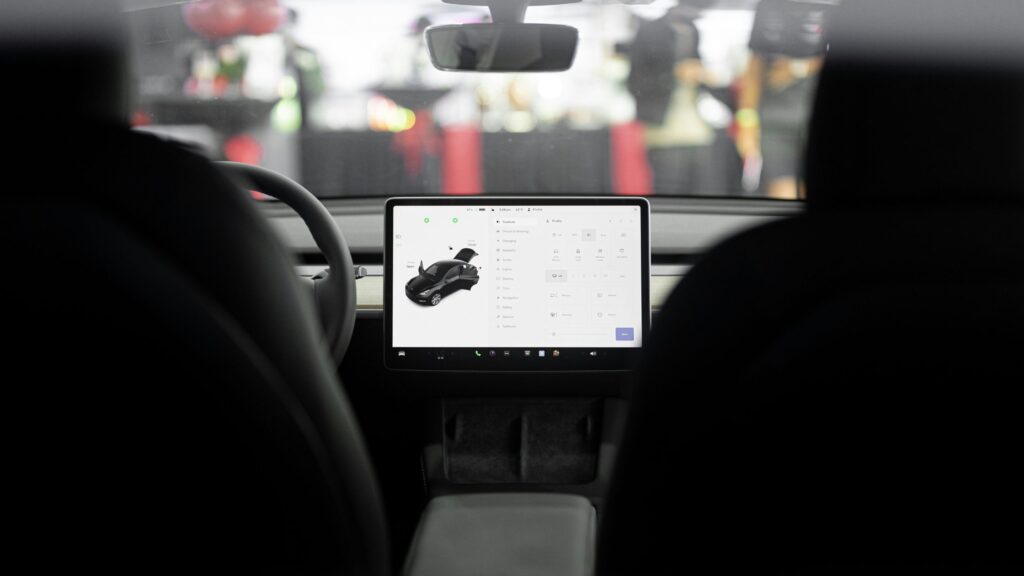
To some extent, the latest EV models are the pinnacle of minimalist interior design. It mostly consists of screens and settings beyond your control. The whole cabin is set to differentiate one car from another through technology.
However, it makes driving much worse. Not only do you have a distraction in the form of a big screen in your face, but you also depend a lot on this screen. The aesthetic factor makes little sense from a driving perspective.
Lower Safety With the Increase of Screen In Cars
Touchscreens mean you have to keep your eye off the road. To some extent, physical controls are the same. However, the latency of physical controls is much better. Also, physical controls do not strain your eyes while driving.
Suppose you’re sorting out something on your touchscreen. The user interface can slow down your reaction time. In reality, it’s like having a big tablet in front of you. In most countries, using a phone while driving is prohibited, so what makes the screen different?
The distraction reduction technology is the biggest distraction in modern cars.
The End of Tactile Controls
Driving is all about muscle memory. You learn the controls over time and hone your skills through consistent practice. When we talk about buttons, switches or knobs, we know the basics of their functionalities. They are all separated and placed to perform one specific function.
With a touchscreen, you have to use the software’s navigation. For younger generations, this might be easy. But for older generations, it can be frustrating. Pair this frustration with driving, and you’ve got casualties on your hands.
We don’t need to dive into complex controls to set the car’s basic temperature. This is not the right approach to distraction-free driving.
Reliability and Longevity Concerns
We all have upgraded our mobile phones over time. They become slow and less reliable over time. The same goes for car screens. Their software will not be the same after a year or two. What if the software fails in the middle of the road? This failure can result in bigger problems.
- Software bugs.
- Screen freeze.
- Touch lags.
- Reboots and more.
Knobs do not fail mostly, and even if they did, they serve only limited functions. However, in the case of screen controls, every facet of driving depends on them. Thus, you may not be able to start your car.
Also, you can easily find mechanics who are capable of replacing knobs and wipers. But for software, you need knowledgeable engineers and reputable service centers.
Passenger Experience vs. Driver Experience
Passengers can enjoy the screen in cars. They can watch videos or listen to music. But for drivers, this is not the case. The driver should only focus on driving. Anything distracting him from the activity should be installed in the car.
Even for the passengers, the screens should be in the back. By this, the driver is not distracted by the things playing on the screen. Infotainment is a driving distraction for everyone. Music is feasible to some extent, but videos can really impact driving.
The Environmental and Economic Cost of Screens in Cars
Manufacturing and installing more screens in the car also takes a toll on the environment. Screens are not only the visuals. It is a large smartphone that uses rare-earth materials. This means that, in the future, cars will generate more electronic waste.
- Shorter vehicle lifespans.
- Outdated software makes screens obsolete.
- Repair costs are passed on to consumers.
No One Is Asking for Unnecessary Screen Controls
Screens in cars were reliable in the beginning phase. They were mostly used for navigation and music. It was like having a music system with touchscreen controls. However, the future is heading in the opposite direction.
Today, you will find screens replacing the basic functions in cars. In the name of aesthetics, car manufacturers are reducing vehicle longevity. The impractical installation of screens not only distracts but also manipulates customers in the name of features. The features that don’t help anyone.
Companies Should Implement the Feedback!
Car manufacturers are aware of customers’ anti-screen sentiment. Some can be happy with screens, but it doesn’t mean they are practical for a better driving experience.
The true balance of driving experience is in the middle, where the important controls are switch-based, while the rest is on screens. So, even if the screen lags, your driving is not affected much.
Final Thoughts on the Increase of Screen In Cars
The increase of screens in cars prioritizes aesthetics over practicality, hindering driving safety and efficiency. The rise of touchscreens has diminished tactile controls, which are essential for muscle memory and minimal distraction.
While screens can entertain passengers, they distract drivers and raise safety concerns. Additionally, screens are prone to software issues that can affect reliability and longevity.
The manufacturing of these screens contributes to environmental waste and raises repair costs. Car manufacturers need to balance screen use with traditional controls to enhance the driving experience.