
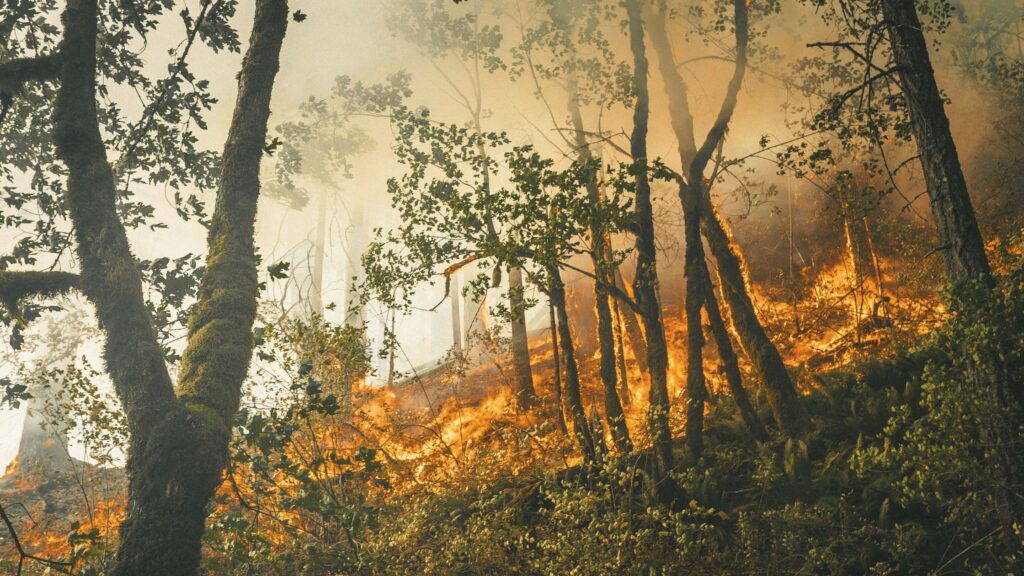
Himachal Pradesh is one of the most biodiverse states in India. It is part of the Himalayan Range and has some of the most exquisite places. However, over the years, the state has faced the issues of intense forest fires. This problem is observable mostly in the summer season. Let’s look more into the forest fires in Himachal Pradesh and how they shape the future.
Forest Fires in Himachal Pradesh
The most common time of forest fires is between February and June. There is not enough rainfall during this period. In this way, the fires expand very rapidly across the region.
Most affected areas lie in:
- Shimla
- Mandi
- Sirmaur
- Chamba
Moreover, the forest fires reduce hectares of land per year. It leads to damaged biodiversity and even pollution.
Types of Forest Fires in the Himalayan Region
The main causes of fires are human actions and carelessness. Although in some instances, natural phenomena like lightning can also trigger forest fires. Regardless of the causes, it highly damages the geographical terrain.
Levels of fire:
- Ground fires
- surface fire
- crown fires
Root Causes of Forest Fires
As discussed earlier, forest fires are derived from natural as well as human-induced factors. During summer, the dry leaves are an easy start for a fire. Over time, these small fires can assimilate into big areas. Thus, leading to massive losses.
Human negligence for fires:
- Campfires.
- Cigarettes.
- Electric sparks.
The human-induced causes are mostly related to agricultural burning and stubble clearance. Over the years, people used to burn the grounds for fresh pasture. It is a traditional but harmful practice. This often takes a turn for the worse and causes forest fires.
Systemic & Institutional Gaps of Tackling the Fires
Himachal Pradesh is not doing well financially. Even though the state receives so many tourists every year, it is not able to capitalize on it. Due to this, the whole place has been the center of issues like littering, low employment, and fewer facilities. As a result, the situation delimits the capabilities of other departments as well.
- Understaffed forest department.
- Lack of real-time fire monitoring.
- Insufficient community awareness programs
Environmental and Ecological Consequences
Fires can destroy hectares of land within hours. The loss of biodiversity in these events is massive. Moreover, the damage is not only present, but the soil and water bodies are also impacted.
- Carbon release.
- Rhododendron forest loss.
- Death of leopards, bears, and birds.
- Landslides.
The erosion of soil means less fertility in the land. Also, we can forget about pollution and how it affects the human body. Climate change is already observable and is only fueled by forest fires in Himachal Pradesh.
Socioeconomic Impact on Himachal Pradesh
The state is already struggling in various areas. Forest fires only make the matter worse for people who are dependent on forests. In addition to wildlife damage, the fires also destroy healthy herbs and resins in the forests.
Himachal is very dependent on the tourism industry. If the fires continue to destroy the land, the beauty of the state will be lost. This can lead to fewer tourists and long-term reputational damage to Himachal’s green image.
Government Response and Policy Framework
The government is not up to the mark. The policies are weak, and there is no course of action. All the measures by the forest department are insignificant considering the scale of destruction by forest fires. Plus, the central support comes at a cost that is often not valuable for the state in the long term.
Problems with the government:
- Budget shortfalls.
- Delayed response.
- Poor coordination.
- Ego issues between the state and central administration.
Solutions and the Way Forward
Forest fires will continue to damage Himachal Pradesh. Even if we eliminate human activities, fires can start naturally. Therefore, the goal should be to prevent the further expansion of fires. This can be done through monitoring and taking fast action.
Technological interventions:
- Satellite monitoring.
- Early warning systems.
- Drone deployment for firefighting.
Also, it is the duty of local people to be informed rapidly in case of fires. The fires are not only a threat to the forest but also to civilization. One way to better handle the issue is to train local volunteers for a fast response.
Policy Recommendations for Ecological Restorations
The rules and regulations should be framed in a strict manner. The penalties for deliberate burning should be high with full accountability to solve the crisis. Moreover, there should be integration of fire risk into forest planning for better response time.
After the fire has taken over a territory, all is not lost. There needs to be a post-fire reforestation program. This is not only rehabilitation but also the complete restoration of the natural order.
Final Thoughts on Forest Fires in Himachal Pradesh
Himachal Pradesh, a biodiverse state in India, has been facing significant challenges due to forest fires, particularly between February and June when rainfall is scarce. The most affected areas include Shimla, Mandi, Sirmaur, and Chamba.
Forest fires are primarily caused by human negligence, such as careless campfires, cigarette disposal, and agricultural burning, although occasional natural causes like lightning also play a role. The environmental consequences are severe, including loss of biodiversity, soil erosion, and carbon release, impacting both ecosystems and human health.
Socioeconomically, the fires threaten tourism and the livelihoods of those dependent on forest resources. The government’s response has been inadequate, characterized by budget shortfalls and ineffective policies. Solutions include implementing advanced monitoring technologies and training local communities for quick response, alongside stricter regulations on fire management and post-fire reforestation initiatives.