
Introduction
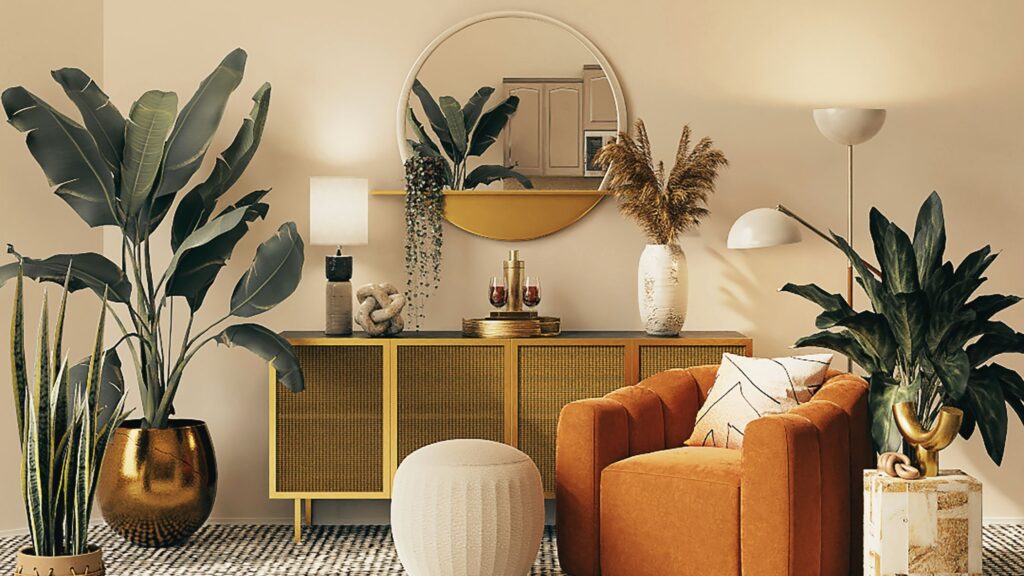
Indoor plants not only add aesthetics to your place but also cleanse the air. You can put them on your balcony, entrance or table. However, the different plant species require different levels of care. There’s no single rule for plant care. That’s why it’s important for you to care for your plants during the extreme seasons.
1. The Right Plant for Your Space
You need to have the appropriate plants for your place. Some places have extreme weather, where delicate plant varieties can not survive. Apart from that, you also need to assess your living and lighting conditions at home. Some plants flourish in low sunlight, while others need to be out!
Best beginner friendly Indoor Plants:
- Tulsi
- Money plant
- Snake plant
2. Understanding Watering Basics
Depending on the weather, you should water your plants routinely. Indoor plants need a regular water supply. You can touch their soil for more insights. If the soil is wet, you can skip the watering.
However, don’t let the pot completely dry, or it will reduce the plant’s health. Moreover, using a manual sprinkler for watering your plants. This way, you don’t damage the tender areas.
3. Light Requirements for Plants
Direct sunlight can reduce the growth of some plant species. It also reduces the moisture content of the soil. Therefore, it is necessary to keep your plant in areas that receive balanced sunlight.
One such place is the windows. You can even keep your plants on the balcony if you have indirect sunlight.
4. Soil, Potting, and Drainage
To ensure proper growth of your plants, you need to find the right balance of soil. It could not be acidic or highly basic.
You can find high-quality soil online or in shops near you. This will ensure that your plants get the ideal amount of nutrients and sustainable moisture levels.
5. Fertilising Your Indoor Plants
Fertilisers provide nutrients to your plants. They play an essential role in the proliferation of your plants. There are different types of fertilisers available in the market. However, you should opt for the ones that are best suited for your home garden.
Fertiliser types:
- Liquid
- Granular
- Organic
Also, you should wait for the right season to add fertilisers. This way, you don’t overwhelm the plants and the soil.
6. Pruning and Grooming of Plants
It is one of the most crucial steps to ensure plant health. Pruning is the process involving the removal of infected areas from the plants. However, to have an effective pruning procedure, you need to first evaluate the infected areas.
One way to do this is to regularly check your plants and clean their leaves. To cut the affected areas, you should use a clean cutter and make sure to discard those parts away from your home garden.
7. Indoor Plant Problems
Your plants face constant threat from pests. These include fungi, gnats, spiders and mites. To deal with yellowing and drooping of your leaves, you need to identify the threat. Then, after that, you can invest in a remedy or solution. Again, using the wrong solution can also deteriorate your plant’s health.
- Deficiencies
- Infections
- Low growth.
8. Seasonal Plant Care Tips
The best way to care for your plants depends on your region and climatic conditions. If you want to make your plant more resistant and increase its longevity, you need to invest in the right strategies. These include:
- Proper watering routine.
- Propagating plants for new growth.
- Using manures.
- Finding an ideal sunlight balance.
Final Thoughts on Caring for Indoor Plants
Indoor plants enhance aesthetics and purify air, but require specific care depending on species and environmental conditions. It’s essential to choose suitable plants for your climate and assess home light conditions.
Basic watering involves checking soil moisture, while light requirements must be balanced to avoid damaging plants. Finally, seasonal care strategies focus on watering, propagation, and optimal light exposure to improve plant resilience.
FAQs
How to know if an indoor plant is getting proper light?
The leaf quality and health are the proper indicators of a plant’s health. If the plant has slow growth, it needs to be out in the sun.
What is the most common reason for indoor plants’ death?
The most common causes of deteriorating plant health are listed below.
- Imbalanced or low watering.
- Low sunlight.
- Plant diseases.
Can you use regular garden soil for indoor plants?
You should not use garden soil for indoor plants because it can trap excessive moisture. This leads to stunned plant growth.