
Introduction
Find out why the ancient civilization was obsessed with the construction of monuments, such as the Pyramids of Giza and Stonehenge. So, get ready to delve into the religious, political, and astronomical reasons for these architectural marvels. Moreover, learn how they portray the core values of ancient human society and power.
Ancient Civilizations and their Monuments
The ancient world was not characterized by glass buildings but by ancient stone buildings, which remain a puzzle to architects today. From the pyramid complex of Giza, Egypt, to the elaborate ziggurats of Mesopotamia, and the inexplicable megaliths at Stonehenge, ancient societies devoted astronomical resources, labor, and time to the construction of monuments.
But what was the motive of this universal obsession? The erection of a memorial was never just a light vanity affair. It was a multifaceted cross-section of spirituality, political propaganda, and scientific observation. Moreover, these were the buildings that acted as a constant hold on a world that was evolving, the space between the human and the divine.
The Quest for Immortality: Funerary Architecture and the Afterlife
We explore here the aboriginal motives, down to the immortality of the soul, as well as to the need of an annual reckoning, of which our forebears have moved mountains of rock.
- The Durability as a Message: The fact that the structures were made of granite and limestone meant that the civilizations wanted them to be built to last, which was a reflection of the immortality of the soul.
- The Benben Stone: The physical form of the structure was that of a pyramid, which represented the initial mound of creation and offered a physical access point for the ruler to ascend to the heavens.
- The mausoleums of the Qin Dynasty in China: Guarded by the Terracotta Army, and the elaborate tumuli of the Celts serve as evidence that monumentalizing the dead was a global strategy to maintain social order across generations.
Political Power and the Architecture of Awe
How do you imagine a ruler exuding his/her power over thousands of subjects in the absence of mass media? The solution was in monumental architecture. As a result, having a structure erected to a size that overshadowed the man was a kind of “expensive signaling”, a display that the lord had the resources, structure, and divine goodwill to manage a large workforce.
The Psychological Impact of Scale
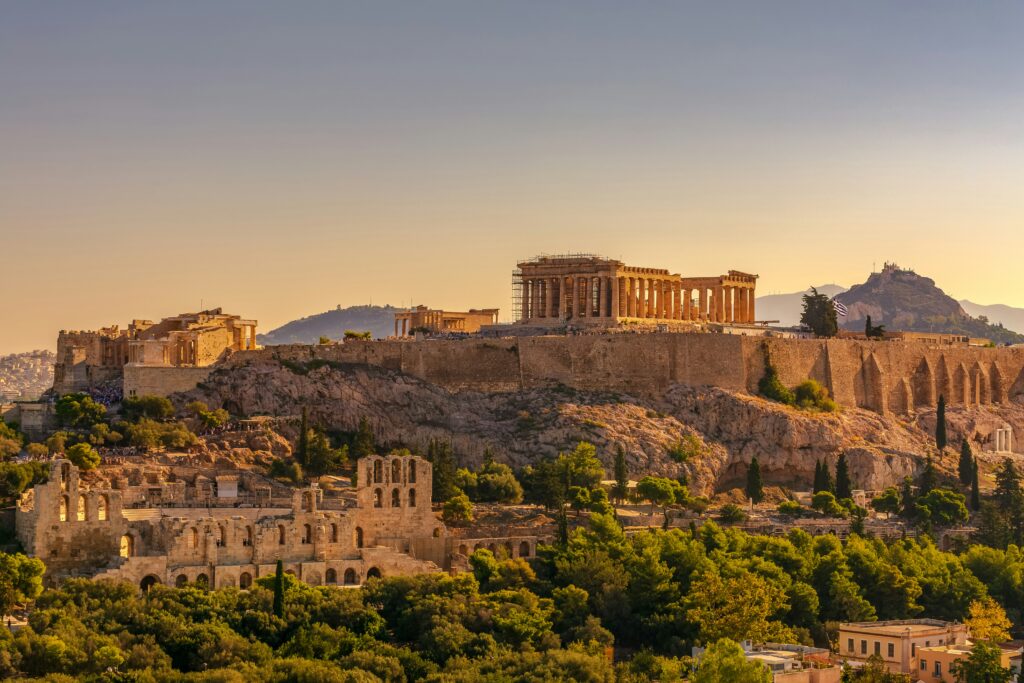
According to behavioral psychologists, human beings have a physiological reaction to grandiose buildings. When a person is in the presence of the Parthenon in Athens or the Great Wall of China, the size instills a feeling of humility and obedience.
- Legitimacy: Monuments could have inscriptions or reliefs that showed the military triumphs of the ruler and a close connection with the gods.
- Unification: On a grand scale, large-scale projects served as a form of nationalization, bringing together different tribes and making them one architectural entity.
Celestial Alignments: Monuments as Cosmic Calendars
The ancient people were susceptible to the cosmic rhythms. In the absence of modern technology, one was left to guess and plant and harvest crops at the right time to survive. Furthermore, this led to the use of most monuments as large astronomical observatories.
| Monument | Culture | Primary Alignment |
| Stonehenge | Neolithic Britain | Summer and Winter Solstice sunrises |
| El Castillo (Chichen Itza) | Maya | Equinox “Serpent” shadow effect |
| Newgrange | Neolithic Ireland | Winter Solstice sunrise illumination |
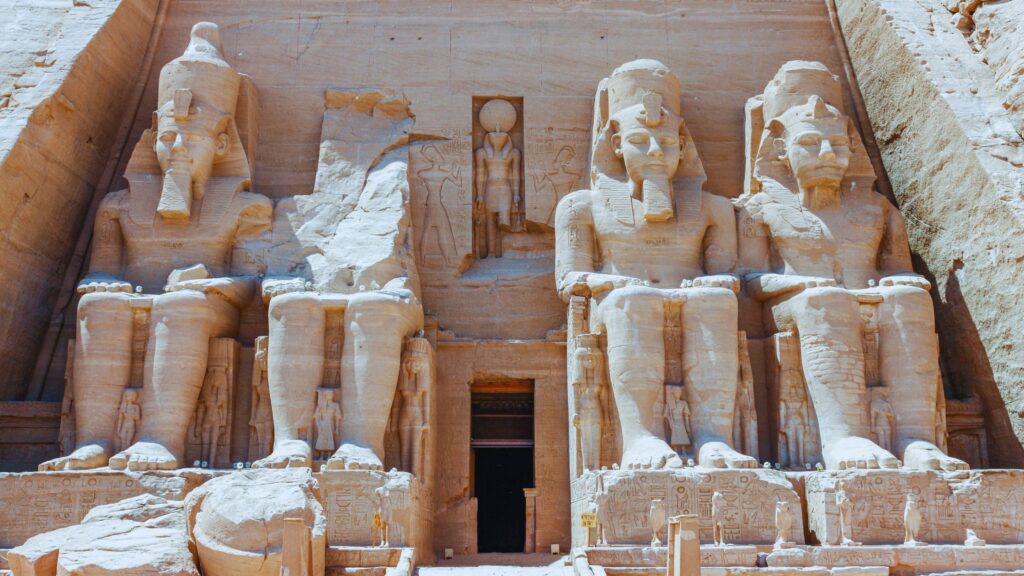
| Abu Simbel | Egypt | Sunlight hits the inner sanctum on specific dates |
The presence of the recent archaeological findings at the Göbekli Tepe in modern-day Turkey has turned the tables of civilization upside down. Decades later, historians assumed that it was agriculture that resulted in the construction of cities, followed by temples. But Gogekli tepe tells the contrary: the desire to erect monuments can be the cause of the creation of civilization.
Social Cohesion and the Birth of Community
The ritual constructions of large organizations of hunter-gatherers before they started permanent settlements. The process of construction:
- Shared Identity: The establishment of identity through common work and ceremony.
- Technological Innovation: Forced to develop mathematics, logistics, and engineering.
- Resource Management: Required the invention of organized food distribution to feed thousands of laborers.
Conclusion: Why Do We Still Look Up?
The ancient cultures were monument maniacal due to the fact that structures acted as an all-purpose tool. They were scientific tools to follow the seasons, political billboards to declare the political power, and the spiritual vessels to accommodate the divine.
Above all, they were a rebellious cry of protest against the flow of time, a means by which a person can say, We were here, and we had a part. When we look now at the worn stones of the Colosseum or the vine-grown buildings of Angkor Wat, we are not looking at buildings. Moreover, we are examining the templates of the human psyche and even the basics of structured society.