
Introduction
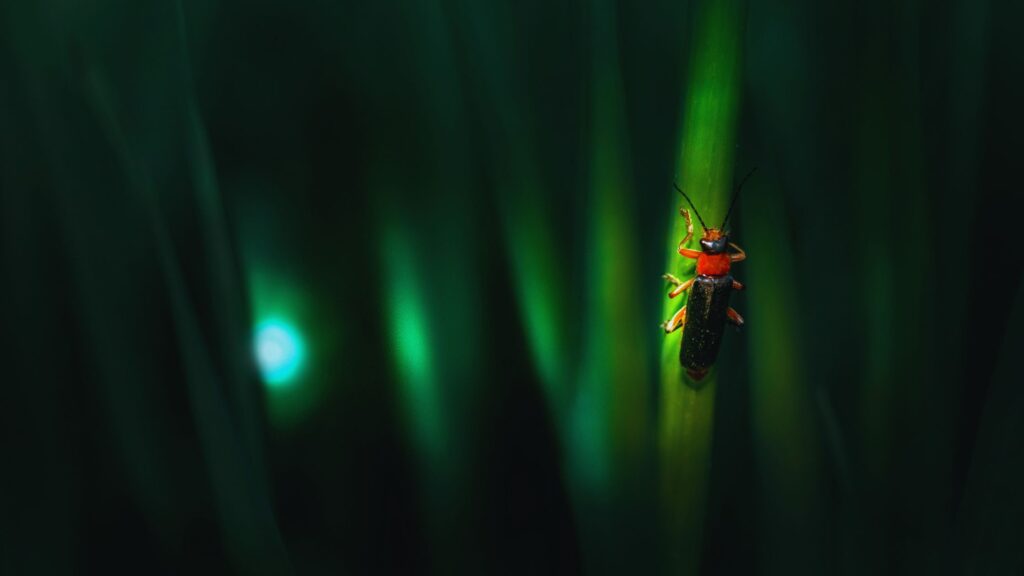
Fireflies are some of the most beautiful beetle species on planet Earth. Every summer, you can find them lighting up the meadows or local forests through bioluminescence. However, people are observing fewer firefly activities during the summer. Is the firefly species going extinct? Let’s explore the reality of the situation regarding the fireflies’ population decline and whether there is any truth behind it.
Fireflies Population Decline
Fireflies are a type of beetle with bioluminescence. The naturally ingrained capability allows them to light up and find better mates. However, they need a specific habitat for survival. As a result, they are sensitive to environmental disruptions. Unfortunately, many human activities damage the natural balance, making it difficult for animals and insects to adapt and survive.
Evidence of Firefly Population Decline
All the evidence for declining fireflies in the wild is from an observable point of view. The fireflies need darkness to thrive, and increasing light pollution may shift them to more remote places inside the jungles. This doesn’t mean the Fireflies are not disappearing. But more studies are still needed to understand the situation fully. Only one can find conclusive evidence of the decline of Fireflies in nature.
- Decline is gradual across multiple continents.
- Field surveys are key to answers.
- Habitat monitoring for accurate results.
- Light-count studies for more information.
Habitat Loss and Urban Expansion
The population growth or decline regarding Fireflies is questionable. However, one thing is certain: habitat loss not only affects Fireflies but every living organism. Every day, human development is making huge waves across the world.
Different aspects that drive urban expansion:
- Roads.
- Housing projects.
- Agricultural activities.
- Deforestation.
Wetlands, forests, and grasslands are the breeding zones for tons of insects and animals. But they are being destroyed by continued human expansion. This includes urbanisation and infrastructure development. As discussed earlier, a small habitat change can disrupt the entire Firefly breeding ecosystem.
Light Pollution and Its Disruptive Effects
Apart from development, another factor that could affect the Firefly population is light. Yes, light pollution is real and can have adverse effects on the natural ecosystem. With increased lighting, Fireflies are unable to communicate with each other. As a result, they are incapable of breeding or mating.
Sources of light pollution:
- Streetlights.
- Vehicles.
- Residential zones.
- Fireworks.
Chemical Exposure from Pesticides
Modern agriculture is inseparable from pesticides and insecticides. It heavily relies on chemicals, which can kill firefly larvae in soil and water. In fact, these chemicals are not even fit for the human body. Bioaccumulation of chemicals can have adverse effects on the larval stages of many species.
The two primary types of insecticides:
- Carbamate
- Organophosphate
Climate Change and Shifting Ecosystems
The reality of climate change is clear to everyone. With every year, the climate becomes more unpredictable. This has a significant role in the notable decline of the firefly population. Different environmental conditions can reduce natural habitat and food availability.
Climatic conditions against natural balance:
- Rising temperatures.
- Altered rainfall patterns.
- Extreme weather events.
- Flooding destroys eggs.
Decline of Snails and Prey Species
The decline of fireflies’ natural environment results in the decrease of their prey as well. The fireflies mostly feed on snails, slugs and smaller invertebrates. The scarce food sources can also contribute to the decline of the firefly population. Moreover, the main reason for this scarcity is the use of pesticides near the agricultural land.
Regional Variations in Firefly Decline
Damage to the firefly’s natural habitat varies across regions. The decline is most evident in urban areas. However, many rural or protected zones still have some hope. But for the people living in urban areas, the coming few years will be the last time you’ll ever see a firefly.
Why Are Fireflies Important to Ecosystems?
Fireflies play a crucial role in balancing the entire ecosystem. The primary reasons are their position in the food web and their contribution to biodiversity. They are food to some and prey to others. Therefore, the loss of fireflies goes beyond lighting, as they are an essential component of our ecosystem.
Conservation Efforts and Scientific Interventions
Many scientists and conservationists are already working towards developing different projects. In some regions, fireflies are impossible to observe. As a citizen, you can raise awareness among your friends and family about such problems.
It’s necessary because fireflies aren’t the only species in danger from human activities. Along with that, the government needs to implement certain policy changes which can deliver promising results.
- Conservation initiatives.
- Habitat restoration.
- Citizen-science programs.
What Can You Do?
As discussed earlier, awareness is the key to any change. However, for individual efforts, you can start by reducing outdoor lighting. If you’re a farmer, consider limiting pesticide use. Yes, it’s a difficult decision, but think about it as a way of saying thank you to the land. In this way, you can also preserve the natural vegetation for a long time.
The Future of Fireflies on Planet Earth
All the policies or ideas should be implemented after a clear understanding of the issue. The fireflies’ population decline is one such issue. Yes, there is data on their habitat loss and their disappearance from natural habitats. But it doesn’t mean that a single policy can be effective worldwide. That’s why local policy development is crucial to tackling the problem at the grassroots level.
Final Thoughts on Fireflies Population Decline
Fireflies serve as biological indicators of ecosystems. If any region does not have as many fireflies as it used to have, then there might be a hidden problem. Therefore, it’s a sign of becoming aware of the tradeoffs which come with development. We’re not suggesting we should discard development, but it should align with conservation goals and efforts. Only then can we curate a world where humans and other animals live in synchronicity.