
Introduction
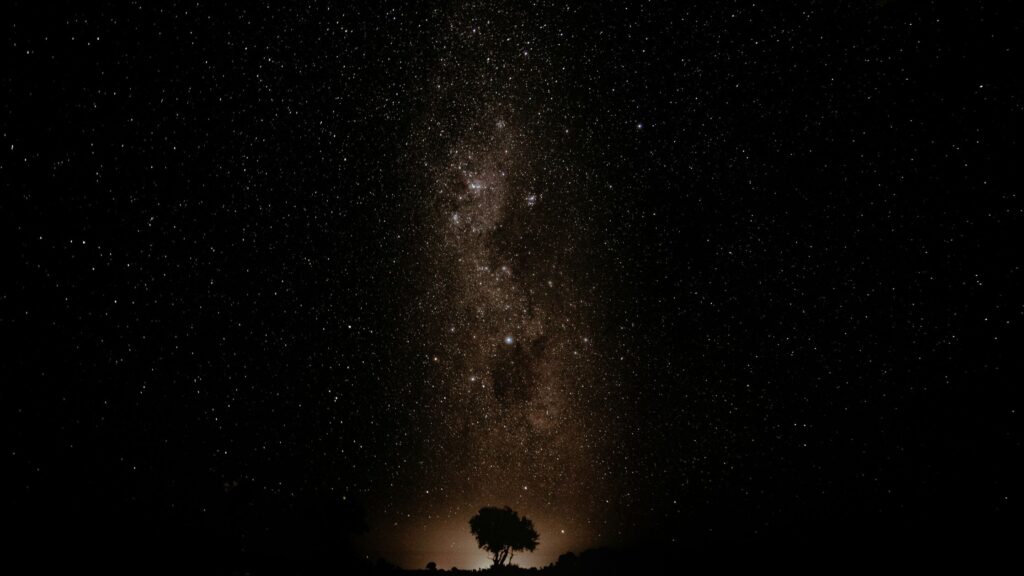
July is a great time for stargazers to enjoy the night sky. You have warm nights and darker skies with clear views of the stars. On top of that, July has a lineup of rare events that you can’t afford to miss. So, if you love the night sky, here are the most spectacular astronomical events in July 2026.
Moon–Saturn Conjunction (July 7)
A conjunction is an event when two or more celestial bodies appear to be closer in the sky. It is a sort of optical illusion, considering that in reality, the two bodies are far from each other.
Conjunctions of celestial bodies are the product of human perception. However, these are beautiful and enjoyable experiences in the night sky. So, all you need is a wide-angle shot opportunity to capture the beauty.
Moon, Mars & the Pleiades Viewing (July 11)
The two celestial bodies, the Moon and Mars, will be paired with the cluster of stars, the Pleiades. The whole moment can be captured in the constellation Taurus. It is visible to the naked eye and is probably a perfect beginner event for stargazers.
The Different Moon Phases for July 2026
The Moon is the natural satellite of Earth. It is closest to our planet and shines brightly in the night sky. However, the Moon is also a visual pollution for stargazers who want to look at other celestial bodies. Therefore, it becomes crucial for people to know the dates of the Moon phases. This way, you can adjust your night sky watching schedule.
Comet C/2026 A1 (MAPS)
The comet might be visible in July. It all depends on the comet’s encounter with the Sun. It can light up or may be saved from the heat. Regardless of the outcome, the Comet C/2026 A1 remains one of the best subjects for astrophotography. You can track its coordinates using the tracker application.
Delta Aquarids Meteor Shower (July 28–29)
The meteor showers are composed of shooting stars. These are debris from comets that enter the Earth’s atmosphere. Before reaching the surface, the meteors are lit up by the friction of Earth’s stratosphere. The vaporisation of meteors causes a small sparkle in the night sky.
Main features of the Delta Aquarids Meteor Shower:
- 10-15 meteors per hour.
- Debris of comet Marsden and Kracht.
- Best viewing time: Midnight and Early Dawn.
Saturn & Neptune’s Location
Throughout July, you can find Saturn and Neptune close to each other. The two planets are visible to the naked eye. Thus, you don’t even need any additional equipment to spot celestial bodies. Just find a serene place and enjoy the night sky.
Final Thoughts on Astronomical Events In July 2026
July is an excellent month for stargazers, featuring clear skies and warm nights. Key astronomical events include the Moon–Saturn conjunction and a pairing of the Moon, Mars, and the Pleiades.
The Delta Aquarids meteor shower, occurring on July 28–29, will display 10-15 meteors per hour, with optimal viewing at midnight. Additionally, Saturn and Neptune will be easily spotted throughout the month without the need for special equipment.