
Introduction
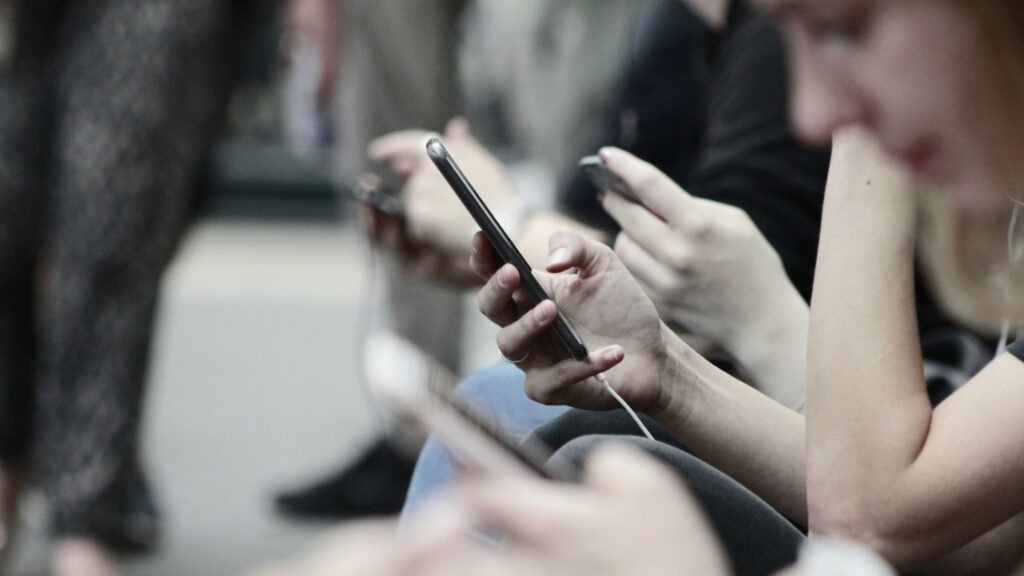
The modern world is addicted to technology—mostly smartphones. If checking your phone is the first thing you do in the morning, then you’re not alone. The majority of the world spends the majority of their day on mobile phones. But how did all this happen? And how did these small devices become an extension of our bodies? Let’s go through mobile phone addiction and its repercussions on the human brain and habit formation.
The Evolution From Tool to Extension
The role of mobile phones was to connect the world and help people socialize from a distance. However, the addition of better operating systems along with apps changed the whole device.
Tools replaced by mobile phones:
- Calculator
- Camera
- Books
- Notepad
- Shopping platform
- Game sets, musical instruments, and more.
Today, the phone is no longer a medium for connectivity but an advanced device with multiple capabilities. As a result, smartphones have become a crucial aspect of human life from the perspective of utility.
Smartphones Replaced Other Devices
Phones started as communication devices and over time integrated multiple tools. People utilize these devices for entertainment, work, and passing time. So, in this way, we went from using a phone to living our lives on and through it.
The Psychological Attachment with Mobile Phones
Smartphones paired with social media are the doom of society. The reason is the constant fear of missing out. In a world so deprived of real connections, every individual seeks connectivity, and the easiest way is through virtual distractions.
- Dopamine
- Notifications
- Messages
- Content addiction
The Physical Integration
We used to experience life through our senses. But now all this has changed as we use our devices to capture life. For instance, instead of living in the moment, people take out their phones to capture the moment. Another example could be the GPS, which replaced our navigation capabilities.
Other integration of human beings and mobile devices:
- Fingerprint
- Face unlock
- Memory cards.
Cognitive and Behavioral Changes
Human beings had the capability to generate, sort, and arrange data using pen and pencil. But with smartphones, individuals heavily rely on tools for storage.
This could be a contact list, diary, journal, or directions. As a result, people are losing their capabilities and skills to operate in a world without technology.
How AI fuels behaviour shifts:
- Decision-making depends on machines.
- Reviews and recommendations.
- Virtual assistants and more.
Social and Cultural Dependency
The culture also revolves around technology. Expensive phones project the societal status of an individual. This is the reason that some devices cost so much. So, in a way, what started as a communication device has evolved into other facets of life.
- Banking
- Finance
- Health
- Luxury
The Symbiotic Relationship of Man and Machine
In the big picture, mobile phones have changed the course of humanity. These are powerful devices with the capabilities of making a better world. But as we know, it’s not the power but those who wield it to make the change.
Perks of smartphones:
- Connectivity
- Access to information
- Convenience
- Safety
However, these devices also pose some threats on an individual level. These include addiction, reduced real-world presence, and privacy concerns.
What the Future Holds
The future is uncertain, but it can have two possible outcomes. Either the human transcends into a world of integration with machines.
- Wearables and implantables
- smartwatches
- AR glasses and VR
- Potential neural interfaces
The second outcome could be the rejection of this new technology-driven way of life. However, for devices, the sales and launches will only increase in an already competitive tech market.
Final Thoughts on Mobile Phones and Human Addiction
Mobile phones will continue to dominate the tool market. There is no way or need to stop the production of new-generation technologies. However, as an individual, it is your duty to take back control of your life.
Start by developing new and productive habits instead of scrolling meaningless content on your devices. Distractions, mind-deviating activities, or tools have existed throughout human civilization. Thus, it is the duty of individuals to rise above the distractions and try to find a meaningful and peaceful existence.
FAQs
What is the average screen time of people on mobile devices?
The average screen time varies across individuals. However, the majority of the population spends multiple hours of their day on mobile devices.
Is phone addiction real?
You can get addicted to anything. In the modern world, people are addicted to technology, including devices and social media.
How to overcome excessive mobile usage?
You can develop alternative habits like reading and art to reduce mobile usage.
What are alternatives to mobile phones?
The best alternative activities to mobile phones are listed below.
- Reading
- Writing
- Photography
- Nature stroll
- Painting