
Introduction
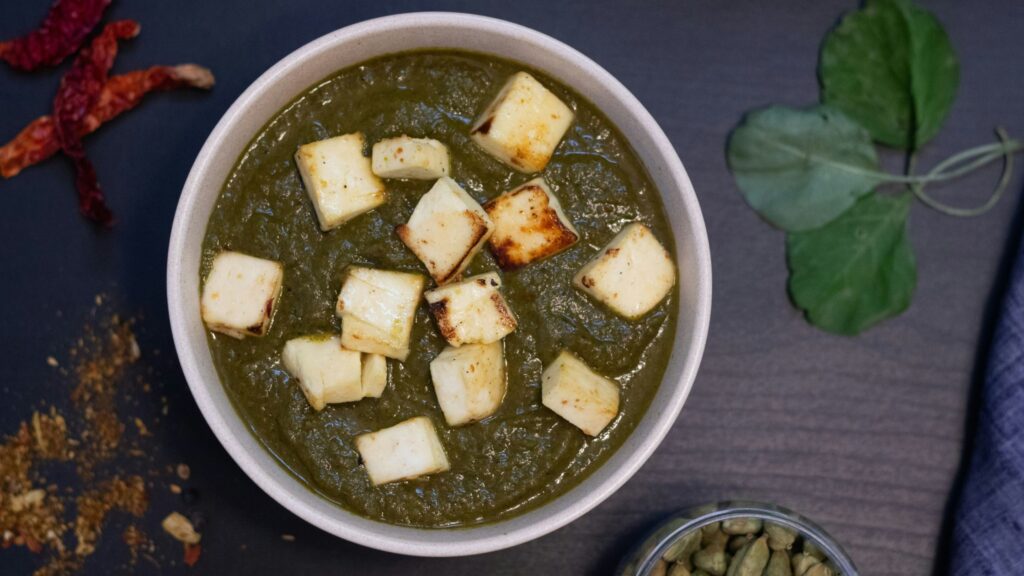
Paneer is a type of cheese made from cow’s milk. It resembles cottage cheese in texture and taste. Paneer is high in protein and is one of the most crucial foods for India’s high vegetarian population. This means Paneer has high demand. Therefore, the product becomes a great counterfeit target for scammers. As a result, you can see a rising case of fake Paneer in India.
What is a Fake Paneer?
The original panner is made from cow’s milk by adding acid. This leads to the separation of the protein solid from the rest of the mixture. The whole process resembles cheese-making. However, in the adulterated version, additional components are added. This leads to product degradation.
Adulterants for making fake Paneer:
- Starch
- Vegetable fat
- Skimmed milk power
- Palm oil
- Detergent residues
Why Fake Paneer Is Thriving
The primary issues of the rise in fake products in the Indian market are corruption and greed. We can also blame the skyrocketing milk prices and the small dairy supply. But these issues are only the beginning. In India, most people want to make high profits.
Vendors can sell original products at high prices and still make enough profit. But they won’t do that because they can easily evade the incompetent authorities.
The Supply Chain Problem
India is a big nation with over 1.5 billion people. To sustain the demands of a high population, the country needs a steady supply. However, in all this, many unlicensed players enter the market.
Who benefits from cheap and fake products?
- Restaurants
- Sweet shops
- Food stalls
Since the regulations are weak, counterfeit wholesale distribution becomes easier for the scammers. Moreover, the collaboration among all parties involved in the supply chain makes matters worse for customers.
How to Spot Fake Paneer
The best way to spot fake Paneer in India is to do an iodine test. This detects the starch in the fake product and turns it blue violet. Other than that, there aren’t many options for detection. The counterfeit Paneer resembles the original in both smell, taste, and texture. Even the dishes taste the same.
Health Risks of Consuming Adulterated Paneer
Eating fake Paneer can cause both short-term and long-term problems. It is unhealthy for every age group. It’s so bad for the body that you’re well off without eating any paneer at all.
- Food poisoning.
- Digestive issues.
- High cardiovascular risks.
FSSAI and Food Safety Framework
The Indian authorities have standards for the composition of Paneer. So, if you’re buying from a big company, you should read the label. Moreover, if you know someone who is counterfeiting paneer products, you should report it to the local authorities immediately.
The Branded Paneer
You should never buy an open product in your area. Alternatives from bigger brands are still better options. However, even the big brands fail to deliver on the quality tests. This means you’re left with only one option: make cheese at home.
Policy and Industry Fixes for Fake Paneer in India
The country needs strict testing protocols at the local level. Unpredictable raids by authorities will surely reveal the horrors of the country’s food supply. At the same time, as customers, we need to empower local resources to ensure quality products.
- QR-code-based traceability
- Empowering local food inspectors
- Industry self-regulation
What Consumers Can Do Right Now?
The best way to ensure quality consumption is to make Paneer at home. Yes, it takes some time to make paneer,Paneer but it’s an easy step. However, if you don’t have time, then you should evaluate your purchase. Try to purchase from FSSAI-licensed sources and report if you find any illegitimate samples at your local shopkeepers.
Final Thoughts on Fake Paneer in India
Paneer, a cheese made from cow’s milk, is vital to India’s vegetarian population, leading to high demand and a rise in counterfeit products. Fake Paneer is made using adulterants like starch and palm oil, driven by market corruption and greed amid rising milk prices.
Detection is challenging, with the iodine test being a primary method. Consuming adulterated Paneer poses health risks, including food poisoning and digestive issues. Making Paneer at home is the best option for quality assurance, along with purchasing from licensed sources.