
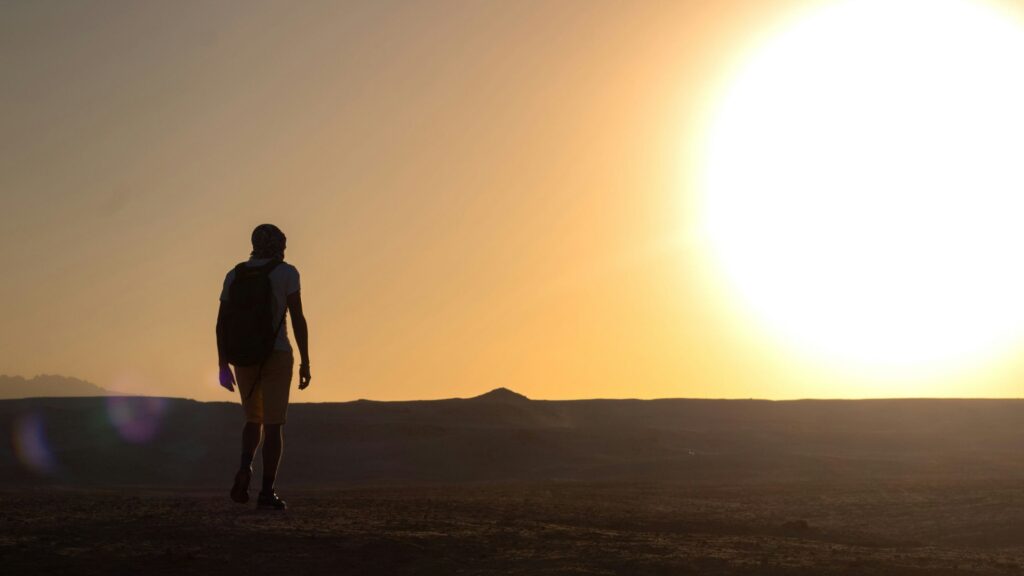
Introduction: The Summer Heat
Summer is here, and you want to keep your body healthy. Summer heat is a dangerous and often ignored component of daily life. It can cause many conditions in the human body. Therefore, you should be careful with heat. Let’s explore the ways to keep yourself safe and secure!
The Risks of Summer Heat
Extreme heat is not ideal for the human body. We are warm-blooded animals, and even though external temperature does not affect our bodies, the extremities can be dangerous. The most common heat-related problems are cramps and stroke.
People most vulnerable to heat waves:
- Children.
- Elderly.
- Athletes.
- Outdoor workers.
Stay Hydrated
Water is your friend in summer. Your body loses a lot of essential salts in sweat. That is why it is necessary to drink at least 1.5 litres of water every day in summer.
Good food/drinks for hydration:
- Cucumber
- Lettuce
- Tomatoes
- Celery
- Milk
- Tea
- Coffee
A good indicator for drinking fluids, including water, is thirst. You can add a pinch of salt and sugar to your bottle to make an effective electrolyte drink.
Dress for the Weather
You can look smart and cool with the right outfits. Opt for fabrics that are light on your body. It includes cotton. Other than that, it’s necessary to apply UV-protective creams on your body. As for the things you don’t want to wear, these include jewellery, makeup or heavy perfumes.
Accessories for the summer season:
- Hat.
- Sunglasses.
- Full-sleeves
Sun Protection Is Non-Negotiable
The right sunscreen will protect your skin from tanning and sunburn. Your sunscreen should be broad-spectrum with multiple protection.
Even with the best sunscreen, it is best to stay indoors and seek shade. Lastly, you can protect your eyes and lips from UV damage with quality products.
Adjust Your Daily Routine Around the Heat
You can calibrate your routine for summer. Exercise in the morning or late at night. This way, you will not get exhausted easily.
Other than that, dieting is an important facet of life. Drink plenty of fluids and eat high-water-content foods to prevent dehydration. As for sleep, aim for a healthy 8 hours a day.
Keep Your Living Space Cool
Air conditioning is very important to tackle the summer season. However, it also drives up energy costs. You can place it in the main room to save energy.
Also, natural cooling can be achieved with some indoor plants. They not only add decor but also affect the environment in your homes.
Recognize and Respond to Heat Emergencies
We should always try to learn about emergencies during the summer season. The most common is heat stroke. You should be familiar with first aid, and this way, you can ensure proper steps are taken. If you notice the symptoms, call emergency services.
Special Precautions for Summer Season
It’s best to stay indoors during peak summer heat. You don’t want the trouble. However, if you have to go out, you should be cautious. Heat stroke is real and affects thousands of individuals annually. So, be safe and enjoy your drinks this summer!
Travel and Outdoor Activity Safety
You need to take some breaks from outdoor activities. It includes beach and pool time. The ideal time to go outdoors is mostly during the night. If you are an extrovert who loves hiking and camping, you need to take precautions.
Car safety:
- Park in the shade.
- Don’t leave stuff inside.
- Cool down your engine.
Mental Health and Heat
Extreme temperature changes can also affect mood and an individual’s mental health. You will often find disruption in sleeping patterns with extreme temperatures. This can further reduce your cognitive function and capacity.
Therefore, it becomes crucial to manage heat-related stress and anxiety. Talk to your friends and family and stay connected. The heat is certain; however, we can be more proactive in our approach to tackle it!
Final Thoughts on Summer Heat
Summer heat poses various health risks, including heat cramps and heat stroke, particularly affecting children, the elderly, athletes, and outdoor workers. To stay safe, it is essential to stay hydrated by drinking at least 1.5 liters of water daily.
Finally, managing mental health is crucial, as extreme temperatures can disrupt mood and sleep patterns. So try to stay indoors and work on your body to face the heat as well.