
Introduction
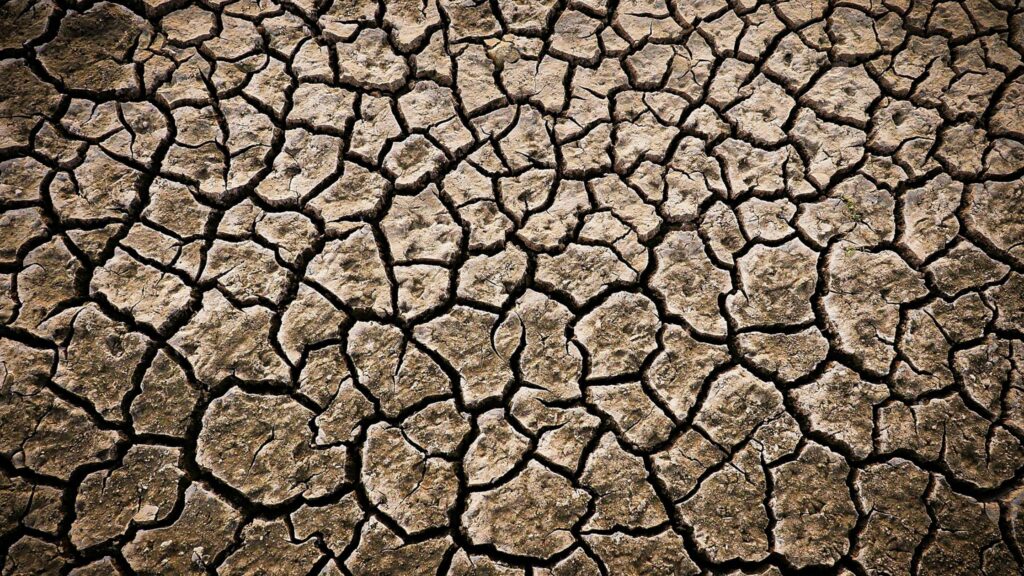
Desertification is a natural phenomenon that results in the expansion of arid places into deserts. This usually results in the reduction of fertile lands. You can observe desertification around every major desert. It can cause a lot of damage to the land through the yield and annual cultivation of crops. However, it can be stopped using natural as well as artificial procedures. One of the artificial methods could be the use of trash. So let’s explore, is it realistically possible to stop desertification with trash?
Stopping Desertification With Trash
Desertification is the degradation of land. It is not just expanding near the Sahara. The northern regions of India are also facing a similar issue with the Thar Desert. Some of the factors that contribute to desertification are deforestation, poor irrigation, and climate change.
The situation can result in food security, migration of people, and even climate hindrances. Tackling the situation of desertification requires long-term planning. In most cases, government authorities are looking to block the process with trees. However, it takes a long time to work optimally, plus the processes are expensive.
Trash, on the other hand, does not sound interesting, but can be an effective tool. It costs less, civilization makes tons of it, and it’s everywhere. Therefore, using the resources, an artificial barrier using landfills or trash can be built. This could be a permanent wall between the desert and the fertile lands.
Trash as a Resource Against Desertification
There are different categories of waste. Some are harmful, while some can be used across different industries. Wastes from construction are a potential for land-use applications. We can build structures and walls using the construction debris. It is a cheaper alternative to tree barriers.
How Waste Can Fight Desert Conditions
Waste can work against in a variety of ways. First of all, assembling several waste products into categories is crucial. Then an approach can be derived to use the waste products for cheap barriers.
Some of the ways waste can be employed are listed below.
- Organic waste & composting: Rebuilding soil microbiomes and water retention.
- Plastic barriers & windbreaks: Cheap, durable methods to reduce sand movement.
- Rubber and tire mulch: Suppressing evaporation and stabilizing topsoil.
- Construction debris: Can be utilized to construct barriers.
- Biochar from waste biomass: Locking carbon and improving soil structure.
Beyond Examples and Experiments
One of the most famous restoration stories that includes both sustainable and waste technologies is the Loess Plateau restoration in China. You can also find initiatives in Africa where organic waste has restored farmland affected by desertification.
The Challenges of Using Wastes Against Desertification
One of the biggest concerns is the safety of trash. Medical, nuclear, and construction wastes contain harmful toxins. Therefore, they can’t be used with other safer waste products. It means the challenge is to sort the safe trash and utilize it for restoration.
Risks associated with stopping desertification with garbage:
- The problems of getting waste to remote and arid regions.
- How to maintain genuine restoration
- How to work across thousands of hectares?
- Restoration as cover for waste disposal.
Policy and the Bigger Picture
Waste management policies are vague, considering the complexity of garbage types. For land restoration, the authorities need full differentiation of the garbage and waste products. Then only can we work on solving the actual issues associated with desertification.
Final Thoughts on Stopping Desertification With Trash
Desertification, the degradation of fertile land leading to increased aridity, poses significant threats globally, including food security and climate challenges. Conventional approaches to combat it often involve tree planting, which is costly and time-consuming. However, utilizing trash presents a viable alternative.
By turning waste materials into barriers, communities can construct low-cost, durable solutions against desert encroachment. Various waste types, such as organic waste for soil restoration, plastics as windbreaks, and construction debris for building barriers, can aid in this fight.
Successful examples include restoration projects in China and Africa. Nevertheless, challenges such as sorting safe waste, logistics of waste transport, and effective policy implementation must be addressed to harness trash effectively in combating desertification.