
Introduction
Pesticides are chemical compounds that are sprayed on plants for better yield. It kills harmful insects that damage plants. However, pesticides are not good for the human body either. Even after days, pesticide residues are left on fruits and vegetables. Therefore, it becomes crucial to remove and wash away the pesticides. Let’s look at how to remove pesticides from fruits and vegetables.
The Need for Pesticides in Modern Farming
Pesticides are like friction. These compounds are a necessary evil that improves the yield of not only grains but also fruits and vegetables. Food is one of the most crucial aspects for the growing population. That is why pesticides are widely used worldwide.
Common types used on produce:
- Insecticides.
- Fungicides.
- Herbicides.
- Organophosphates.
- Organic Pesticides.
Pesticides benefit both farmers and people in food production. But it does not mean that these compounds are ideal for the body. Thus, you have to make sure to remove pesticides from the food before consumption.
Why You Should Remove Pesticides from Fruits and Vegetables
Pesticides are made of compounds that are not important for our bodies. This could be phosphates or nitrates. Not only can you observe short-term health problems, but you can also observe long-term diseases. Therefore, utilise the methodologies discussed below to make your food safer for consumption.

Fruits and Vegetables with High Pesticide Residue
Thin-skinned fruits and vegetables are prone to high levels of pesticide residues. Therefore, it is advisable to wash and clean your fruits and vegetables. Also, try to purchase seasonal vegetables and fruits. The quantity of pesticides on seasonal harvest is relatively low.
Examples of high-risk produce:
- Strawberries.
- Apples.
- Pears.
- Grapes.
Simple Ways to Remove Pesticides at Home
You can remove pesticides at home without using fancy instruments. Follow the given methods, and you can see substantial differences in the product you consume.
- Water wash
- Using salt water
- Baking soda cleaning
- Vinegar washing
- Peeling
1. Washing with Running Water
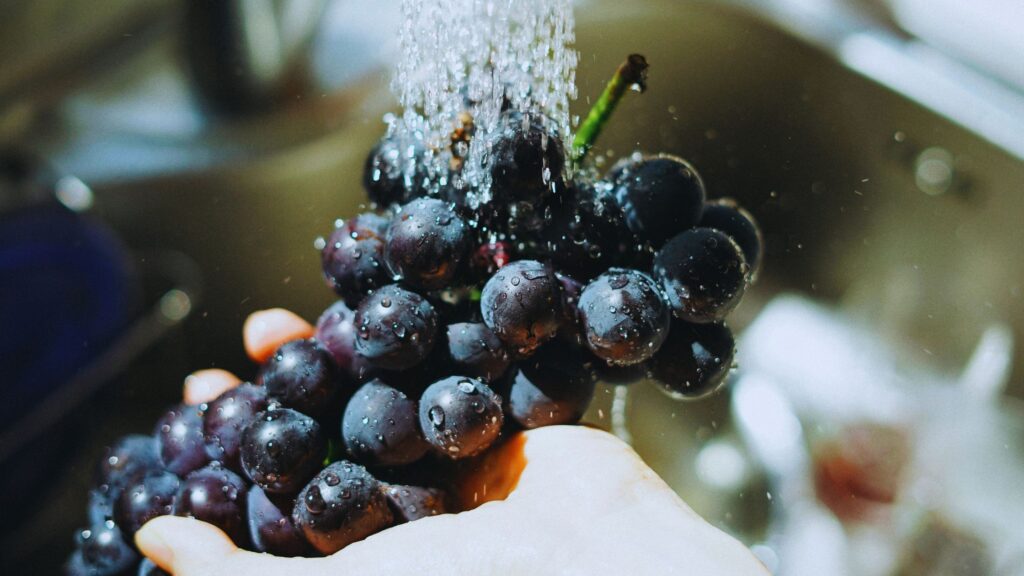
After purchasing your fruits and vegetables, wash them thoroughly with running water. You can also rinse them for a couple of hours. This will settle the dust and remove the sprayed compound from the surface.
2. Soaking in Salt Water Solution
Add salt to a water container, then add your fruits and vegetables. Then wait for a few minutes to find clean fruits and vegetables.
3. Using Baking Soda Solution
It is a scientifically discussed technique for removing pesticides from fruits and vegetables. Just soak your products in a baking soda solution and take them out after some time. However, your ratios should be based on the amount of veggies you’ve purchased.
4. Vinegar Wash Method
Vingear is a national disinfectant and is ideal for removing microorganisms. However, it has a strong flavour and can leave a surface residue on your products. So, be careful regarding the quantity of vinegar that you’re employing on your fruits.
5. Peeling and Trimming
The previous processes were effective for surface cleaning. However, if you want to eat any fruit, consider peeling it. It will remove the surface, leaving you with the ideal part. However, in some fruits, the peel area is more nutritious, so that’s the tradeoff of peeling.
Commercial Products for Cleaning Fruit and Vegetables
There are different products online that claim to remove pesticides from fruits and vegetables. Such products can be efficient in removing pesticides; however, you can achieve the same goal using the techniques above. However, if you don’t have time, opting for pesticide-cleaning instruments for kitchen use isn’t a bad decision.

Organic vs Non-Organic: Is Washing Still Necessary?
Washing should be a daily practice regardless of whether the produce is organic or non-organic. In addition to pesticides, dirt and microorganisms are also present on fruits and vegetables. Thus, you require washing and cleaning as standard procedures.
Note: Organic labelling does not mean that it’s pure, but rather that the product is a harvest of organic farming.
Additional Tips to Reduce Pesticide Use
If you want to limit the pesticide intake to a minimum, consider seasonal harvests. Moreover, if you have land, grow your perennials in a garden. This will substantially reduce your pesticide intake throughout the year. Last but not least, shop at local, trusted sources—places that use little pesticide in their produce.
Summary: How to Remove Pesticides
Pesticides, used in modern farming to enhance crop yield, leave harmful residues on fruits and vegetables that pose health risks. To effectively remove these residues, individuals can wash produce using methods such as running water, salt water solutions, baking soda, vinegar, or peeling the skin.
High-risk fruits and vegetables, such as strawberries and apples, may contain higher levels of pesticides and should be cleaned thoroughly. Commercial cleaning products exist, but home methods are often sufficient.
Whether produce is organic or non-organic, washing is essential to remove dirt, microorganisms, and pesticide residues. To minimise pesticide exposure, seasonal harvests and purchasing from trusted local sources are advisable.