
Introduction
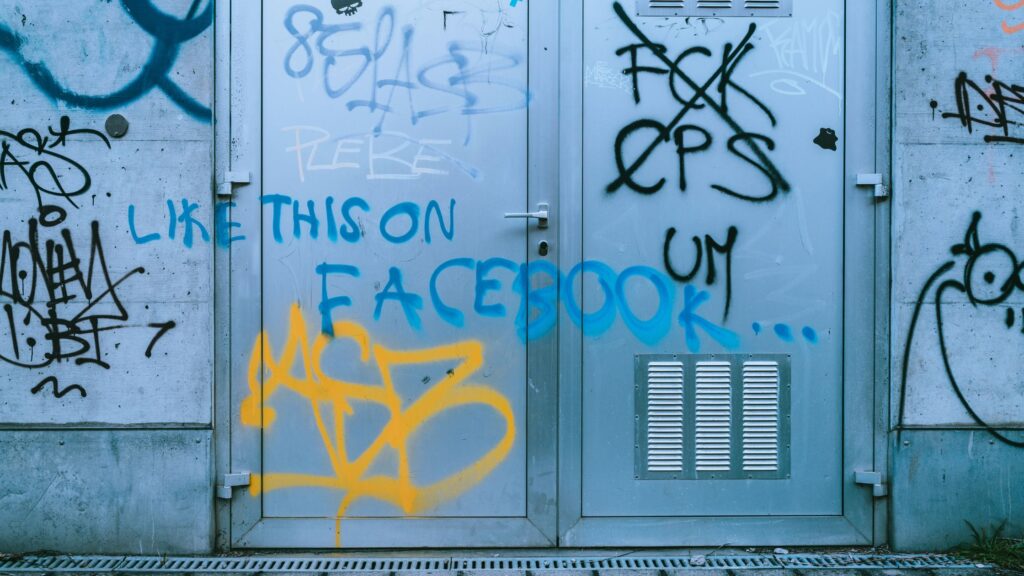
Social media is a potent tool for boosting global understanding, but it also comes along with a barrier that can facilitate division across cultures. Let’s understand this dual social media divide and complex role in cross-cultural dynamics.
The rise of social media and digital communication methods has drastically changed how we interact with each other across cultures and the world. This fundamental shift, driven by rapid technological change, has set in motion processes comparable to those of the Industrial Revolution.
The Crisis of Information Through Social Media Divide
We now live in an era of easy and immediate access to information and entertainment. However, the narrative coherence of television series and films has been replaced by an unhindered flow of Snapchat and Instagram stories. People now scroll and stream rather than browse on TV, while YouTube and Netflix offer a variety of content for everyone.
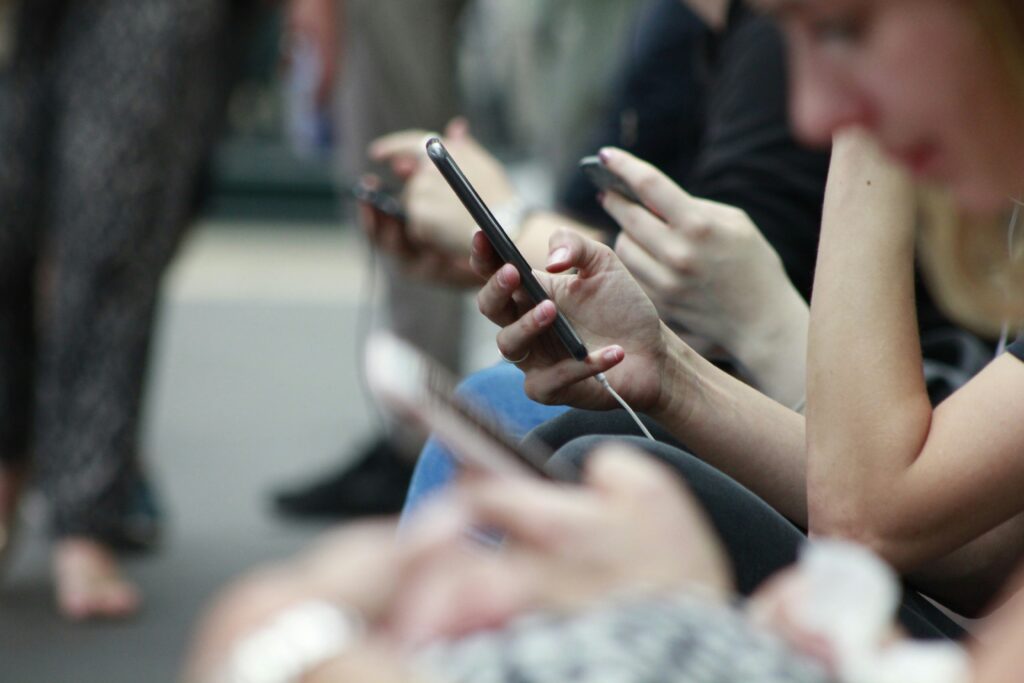
The popularity of contemporary music also no longer depends on Top 40 radio stations but on Spotify and TikTok. In this new era, there are no more rigid frameworks; only algorithms determine content distribution, bringing an end to genres and schemes.
Does Social Media Facilitate Divide Across Cultures?
There are many ways in which social media has created cultural divides by creating echo chambers for its users through its algorithm-driven networks and promoting divisive or localized content. As such, through social media, people can express themselves freely without restriction.
The downside is that it often creates environments within specific communities that foster extreme hatred towards others, driven by the rapid spread of unchecked content and its detrimental effects (e.g., cultural misunderstandings, lack of context).
Social Media Fuels Disconnect
When people from two different cultures use social media to connect, cultural gaps often widen due to these issues. Conversely, social media can also unite cultures through cross-cultural communication, global conversations, and collaboration among individuals who share common interests. Ultimately, this will depend solely on how individuals use these platforms and on how social media companies manage their networks and the content shared.
How Social Media Bridges Cultures?
Social media offers numerous opportunities for positive cross-cultural engagement:
- Promotes Intercultural Interaction: Online communication systems enable individuals from different cultures to interact, learn more about each other’s traditions, and exchange experiences in real time.
- Stimulates Understanding and Comprehension: When the educational environment is based on an even playing field with other cultures, it enables the de-humanization of the minority culture, which can not share identical experiences with the outside world, and as such, creates understanding and less biased attitudes and sentiments towards other people, simply because of their cultural heritage.
- Enables Marginalized Voices: Numerous online communication platforms offer marginalized communities a platform to share their cultural identity and narrate their stories to the world. This has been of particular concern, as most of these groups are still not truly represented in traditional media.
- Organizes Social Causes: Social media is becoming a vital catalyst for action in global political and humanitarian movements, such as #BlackLivesMatter, as well as other like-minded activism related to climate change and environmental pollution.
How Social Media Facilitates Divides?
Despite its unifying potential, social media can contribute to cultural divides through several mechanisms:
- Development of Echo Chambers: Algorithms are more likely to showcase content that aligns with users’ existing beliefs, forming filter bubbles that do not expose them to opposing opinions and reinforcing self-affirming beliefs.
- Misinformation and Hate Speech: With the rapid spread of news, there is a risk of spreading false information, arousing hatred, and sharing highly emotional content that can trigger major conflicts within existing cultures and escalate conflicts.
- Digital Divide: Inequality in access to sufficient technology and dependable internet connectivity on a global scale perpetuates the digital gap and exacerbates economic and social inequalities in cultural inclusion.
- Superficial Engagement: The speed and filtering that characterize most social media sites are conducive to the creation of superficial relationships with cultural products, which are simplified into attractive images or viral videos without consideration of the underlying meaning of such cultural practices.
How Does Social Media Divide Contribute to Cultural Misunderstandings?
Social media can amplify cultural misunderstandings by spreading contextless content that users interpret through their own cultural lens. The prime examples include viral posts, videos, reels, and memes that often lack nuance, leading to stereotypes or misjudgments about other communities.
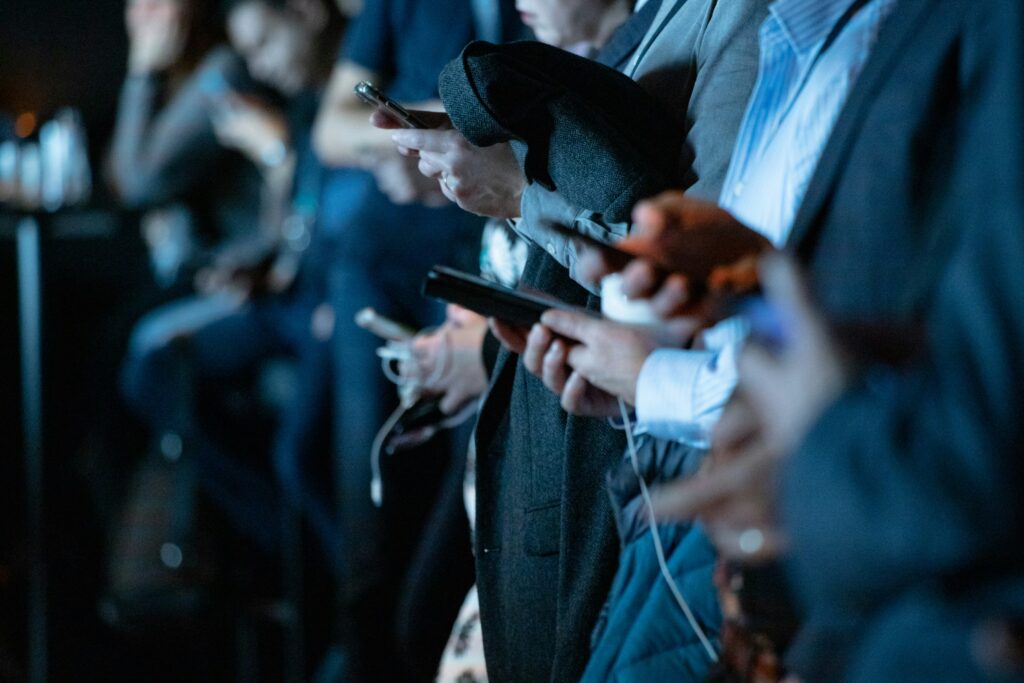
In most cases, the content lacks sensitivity and access to accurate information, leading to the spread of misinformation. Additionally, language barriers and fast-paced communication increase the risk of misinterpretation, which can escalate into online cultural conflicts.
Final Thoughts on Social Media Divide
In conclusion, social media is a complex tool whose impact on cultural divides largely depends on how it is used and regulated. Moreover, having digital literacy becomes very essential here. Promoting inclusiveness and creating a respectful online environment are critical to leveraging its potential for connection while mitigating its risks of division. Finally, these practices will help create healthy, well-balanced online spaces that foster advancement rather than drag each other down.