
Introduction
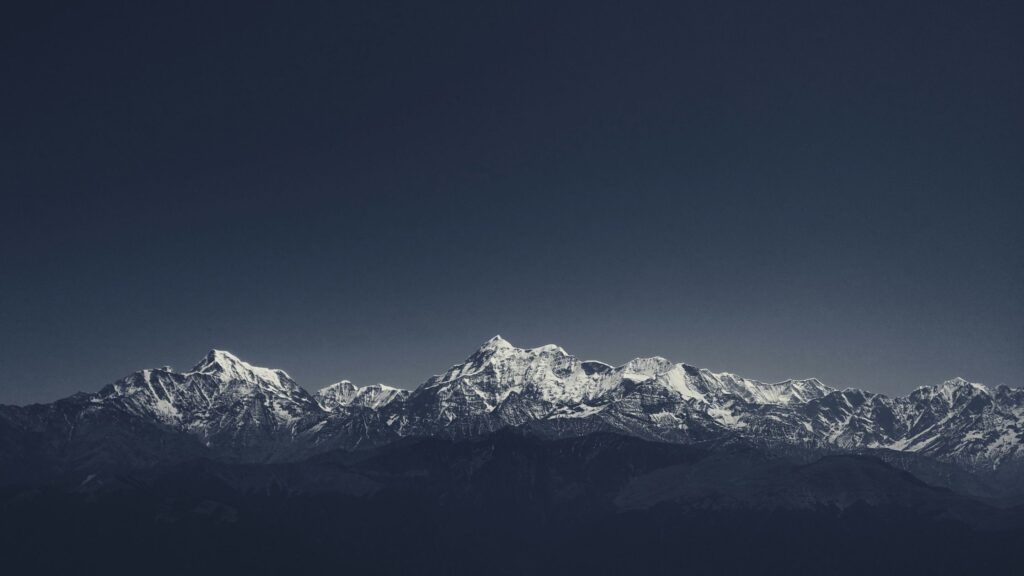
The Himalayas are one of the mightiest mountain ranges in the entire world. They are a crucial aspect for sustenance in Asia because numerous rivers originate from them. However, this year (2025-26), something unusual took place in the region. The Himalayan mountain range witnesses comparatively less snowfall. This could be random or could be a sign of climate change. Let’s explore the science behind the low snowfall in one of the largest mountain ranges to learn more about the situation.
Snowfall In The Himalayan Mountain Range
The Himalayas are known for their high altitude and heavy snowfall. The range spans over 2400 km and is filled with snow-capped mountains. Also, the whole mountain range is the youngest and most active in the world in terms of seismic potential. This means that the area is prone to climatic changes. One of these is low snowfall in the 2025-26 season.
Key Drivers of Snowfall
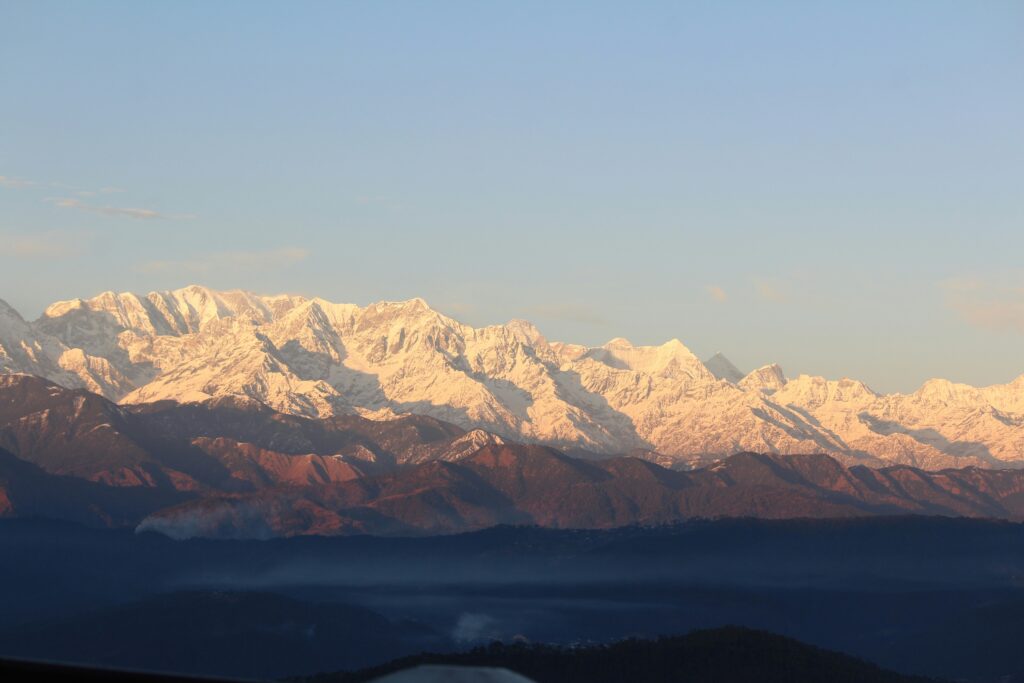
Snowfall in the Himalayas depends on many factors. One crucial factor is Western disturbances from the Mediterranean. Furthermore, the mountain topography forces the moist air from the water upward. This cools the region and produces snow at the higher elevation.
- Western Disturbances (WDs).
- Orographic Lift.
Snowline increases with elevation—mostly above 3000 m. This also contributes to the annual precipitation. It forms snow at high elevations and replenishes the region’s rivers and reservoirs when it melts in the summer.
The Scientific Causes of Snowfall Decline in the Himalayas
The decline of snowfall in the Himalayas is primarily due to weak western disturbances. This means only low moisture is carried to the Himalayan mountain range. At the same time, the western disturbances can shift in a different direction—missing the critical Himalayan zones.
Climate change can also contribute to low snowfall in the Himalayan range. Climate change is melting the ice, leading to less snow at mid- and lower-elevation sites.
At the same time, lower elevations melt faster than higher ones. It reduces the snow threshold and shifts the snowfall zone towards higher elevations. Also, the time the snow stays on the ground is much shorter than the winter limits.
Natural Variability vs. Climate Change
Nature has variabilities of temperature, snowfall, and rainfall. Natural variability causes year-to-year fluctuations in western disturbances. But this can only explain the short-term changes. However, climate change is more permanent, as evidenced by long-term observations. So, only after a few more years of data can one learn about the snowfall patterns in the Himalayan range.
Broader Consequences of Low Snowfall
A long-term decline in snowfall can have many repercussions. Many major rivers, such as the Indus, Ganga, and Brahmaputra, originate in the Himalayas. So, without snow, there will be less water in the natural river streams during the summer.
- Socio-economic stress.
- Tourist disruptions.
- Biodiversity loss.
Reduced snowpack will result in lower base flows during the summer season, which will impact irrigation and hydropower generation. At the same time, all this can negatively impact mountain biodiversity and traditional lifestyles.
Scientific and Policy Implications
Considering the noticeable impact of the low snowfall, there is a necessity for better water management and forecasting. No one can control the weather, but one can adapt to it through policies. Therefore, there is a need for global cooperation to stabilise the drivers of climate change.
Curating policies while keeping the following factors in mind:
- Monitoring of snowfall.
- Temperature.
- Atmospheric patterns.
Final Thoughts on Less Snow in the Himalayas
Weaker storm systems, climate change, and rising temperatures are driving the decline in snowfall in the Himalayas. While these are all natural phenomena, some human actions can also impact the sudden changes. Thus, all natural regions need to align with observable changes.
FAQs
Why is there snowfall in the Himalayas?
Western disturbances originating from the Arabian Sea and the Indian Ocean cause snowfall in the Himalayas.
Which is the lowest range in the Himalayas?
The Shiwaliks are the lowest Himalayan range (600-1500 metres).
Why is there no snowfall in Uttarakhand?
Meteorologists believe weak western disturbances are the reason for the lack of snowfall in Uttarakhand.
Which range of the Himalaya is snow-covered?
The Himadari (Greater Himalayas) range (6000-800) is covered in snow throughout the year. This