
Introduction
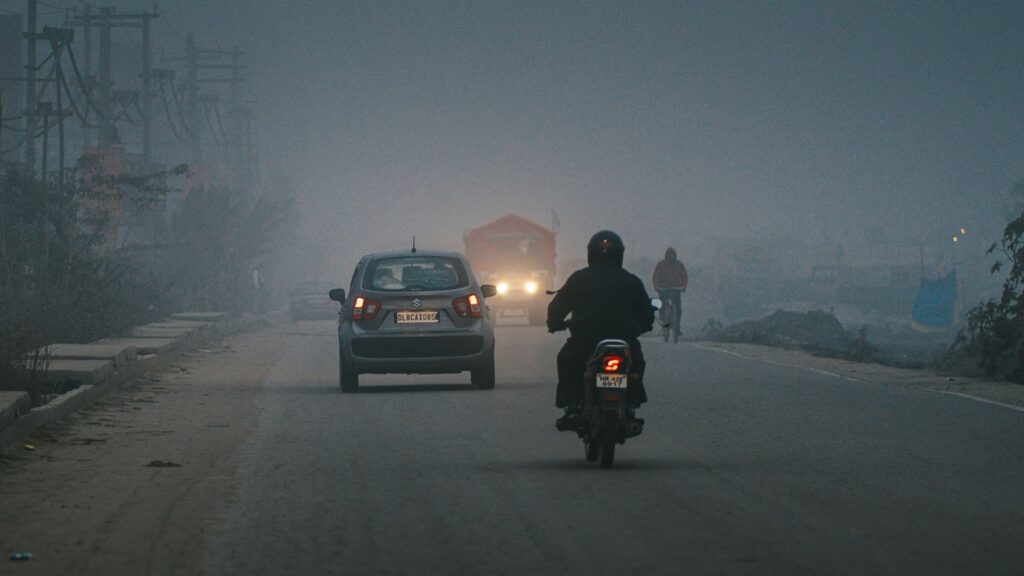
The major Indian cities, like Delhi, are a mess in many ways. They are overcrowded, without discipline, unorganized, unhygienic, and in complete chaos. However, none of these situations is even comparable to the quality of air and water that citizens receive. It is easily observable in the case of high AQI in the Indian cities of North India. Delhi, Gurgaon, Agra, and Varanasi’s air quality have worsened over time. The administrations and government point fingers at each other, but that doesn’t help anyone, as the issues are much more complex. So, let’s address the complexities of high AQI in North India and what can be done to prevent long-term health problems.
High AQI of Indian Cities
Almost all of north India is experiencing poor air quality, including Himachal Pradesh and Uttarakhand. The AQI (air quality index) is a measure of the concentration of harmful particulates and pollutants in the air. It can vary across the day or reduce after rainfall. However, in the long term, it suggests a pattern and average for the area.
Using these datasets, one can identify the devastating AQI levels in Indian cities. It’s so bad that it can cause severe health problems in people. And if this trend continues in the coming years, the demographics of cities like Delhi might shift forever.
- Hapur
- Ghaziabad
- Noida
- Delhi
- Kaithal
- Baghpat
- Ludhiana
- Pithampur
Significant Sources of Air Pollution and Contamination
Small events and human activities often have long-term repercussions on the environment. A similar case is that of activities that promote air pollution near North Indian cities. These include factories, automobiles, and construction sites. However, the proportions or contributions of pollutants differ from source to source. On top of that, pairing these issues with the region’s topography or geography is the perfect recipe for disaster.
- Factories.
- Vehicles.
- Construction.
Little Government Action and More
The local and central governments are all responsible for the poor conditions of the current North India. Their lack of effort and devious behaviour in failing to address the problems are among the worst habits. Additionally, they are trying to hide the truth. But it does not help anyone. The first step is to address the issues and formulate a course of action. And that’s why people need to demand more from their representatives. It’s the least you can do if you reside in areas with high AQI.
Only Strict Protocols Can Reduce Pollution
The situation is dire, and only rules and regulations can put an end to it. However, it’s not that simple. North India has over 100 million people, most of whom live in significant areas. Therefore, it’s not easy for everyone to comply with the rules. Also, the regulations will affect the region’s economy. That’s why protocols are a solution that will create new problems in addressing the AQI crisis.
- Construction regulations.
- Industry control and more.
- Promoting electric vehicles.
- Banning firecrackers.
How To Have A Functioning Economy With Regulation?
Economy is a field of trade-offs. No theory, protocol, or rule comes without a tradeoff. If the AQI is controlled through strict measures, there will be significant losses for industries and businesses. Some of these are the lifeline of the economy.
Therefore, policymakers should offer people alternatives that are not aligned with industry or infrastructure. It’s a world of tradeoffs, and on one end is public health and safety, while on the other is profit maximisation. Now, it’s up to the people to decide what they want in the future.
The Future: AQI of Indian Cities Will Get Worse!
The situation will not change until the authorities adequately address the issue. But it will not happen anytime because it costs a lot of guts for an organization or individual to admit they are wrong. And it is something that is missing from the current generation of leaders.
As a result, there is not much hope for people left in the region. The one with facilities to relocate or buy purifiers can survive. Still, for people living below the poverty line, it’s a price they will pay with their health.
Final Thoughts On High AQI of Indian Cities
The high AQI of Indian cities in the North region is a public health crisis. It’s a shame for the authorities and the government with their lack of planning and action. That does not mean it can’t be solved, but it requires planning, commitment, and action. Without it, it’s all lies, and eventually everything comes to light.