Introduction
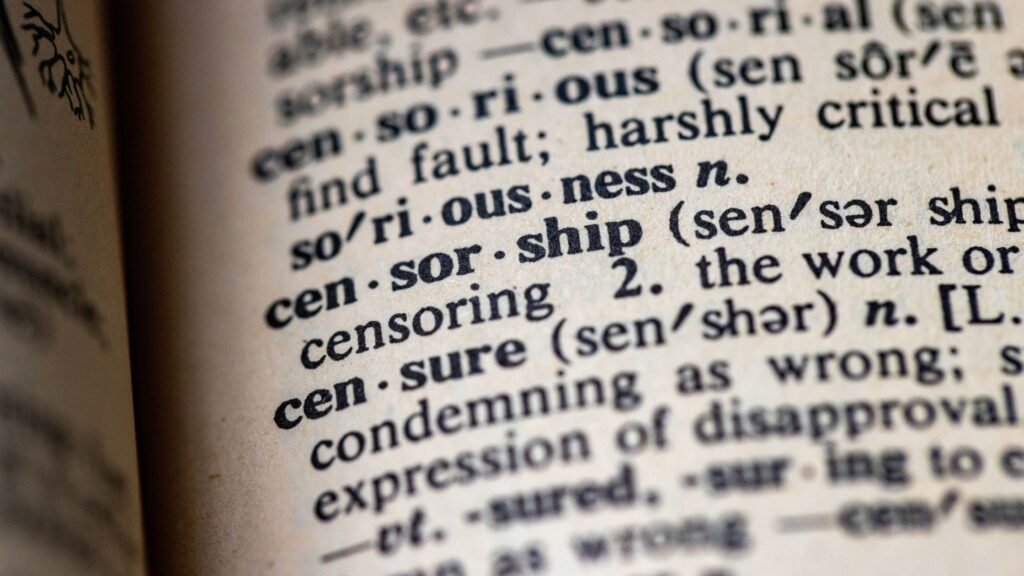
Censorship is one of the most debated topics in human history. It is on par with free speech and human rights to expression. However, when talking about big tech, free speech and word censorship take on a new meaning. You will find platforms like YouTube muting words that have any negative connotations. But why is it the case? So, let’s explore word censorship online and how it can mould freedom of expression online!
Word Censorship on YouTube
It all started on YouTube, where I noticed some words missing or changed to sound more formal. Most of these words were offensive, defined criminal acts or death. You can say YouTube is trying to remove negative words from the platform. But who does it benefit?
The answer lies in looking at this censorship from a free speech perspective. The majority of the online audience can define negative words. So, even if they are removed, no one cares. However, in the coming years, even positive words or ideas are under pressure for removal.
The companies want to set some standards that allow them to censor or mute words they dislike. It is a traditional playbook step for regimes that want to eradicate freedom of expression. Sooner or later, people will have to think about it multiple times before saying anything online.
Repercussions of Using Blacklisted Words
If you’re a content creator, using blacklisted words can lead to demonetization or view drop. The algorithms are based on the metrics of wordplay for a particular creator. Therefore, online creators need to maintain a positive profile and use words that are valuable for public relations.
If you use words that go against the platform’s policy, you will see a drop-off in your content. It will not be recommended to people, and you will eventually lose sponsorships and ad revenue. Even for the viewers and audience of the platform, you can get your IDs banned when using inappropriate wording.
Who Dictates the Speech?
Free speech is the bedrock for a healthy society. Yes, words hurt our feelings, but it’s not the end of the world. Freedom of expression allows us to say bad things, but it also allows us to debate ideas. We can’t throw away this gift of exchanging ideas and communication with of fear of being offensive.
Big companies and governments capitalize on the sentiments of people to push for censorship of words. In this way, they become bigger and more influential than the normal people. Therefore, people need to understand that saying things can be bad, but not having the freedom to express yourself is even worse.
Final Thoughts on Censoring Words Online
Censorship, particularly on platforms like YouTube, raises concerns about free speech and expression. It involves the suppression of offensive or negative words, ostensibly to maintain a positive environment.
Over time, even previously accepted ideas may face censorship, reminiscent of tactics used by repressive regimes. Content creators are particularly affected, as using blacklisted words can lead to demonetization and reduced visibility.
The censoring trend reflects a broader societal issue where big companies and governments exploit public sentiment to impose restrictions on speech. Ultimately, maintaining freedom of expression is crucial, as stifling it can have more dire consequences than the discomfort caused by offensive language.