
Introduction: Dissolved Oxygen in Ganga
Dissolved oxygen tells a lot about the condition of a water body. If the dissolved oxygen in a water body is balanced, then the river is in great shape. However, in the case of the Ganges, the situation is different. One of the most crucial rivers in Asia, the Ganges is facing adversity and increasing pollution. This has led to a decrease in dissolved oxygen in the Ganges. If the trend persists, the river will become uninhabitable for marine life.
Ganges: The Victim of Popularity
Ganges has a significant place in Hinduism. The river is famous for washing away the sins of people of the faith. This means the Ganges is the center of attention. But attention is not the only issue for the Ganges; the reality is civic sense and poor sewage infrastructure in India.
- Important river for irrigation.
- Religious significance.
- One of the longest rivers.
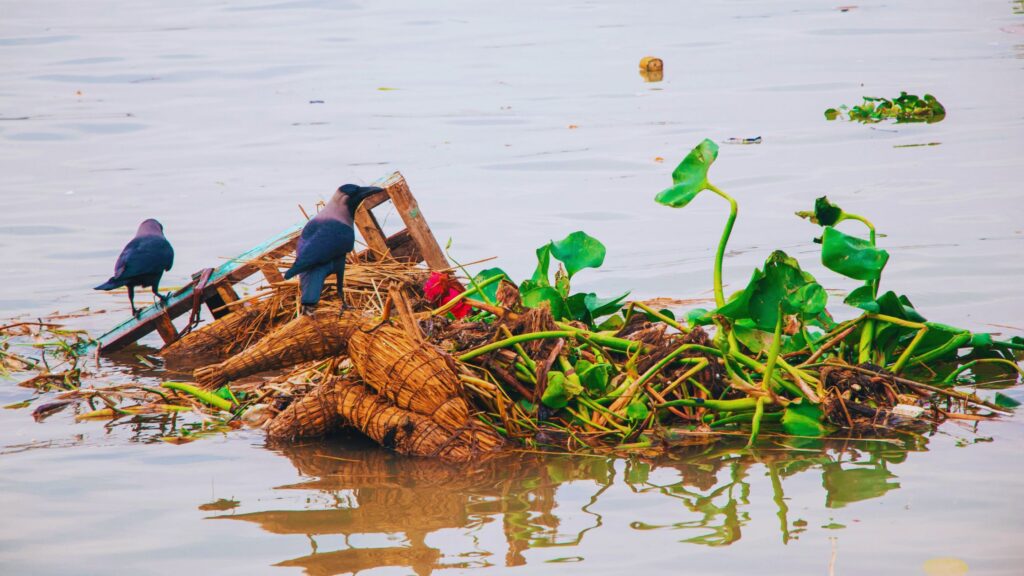
People throw plastics, inorganic wastes and pollute the river. This leads to an increase in BOD. Over time, the river water becomes dangerous for marine life and human usage.
The Pollution Crisis of the Ganges River
As discussed earlier, India has a big problem dealing with pollution. Every effort towards a clean river is jeopardized by a lack of individual civic sense and nearby factories.
The sources of pollution in the Ganges:
- Factories.
- Individual wastes.
- Untreated sewage.
- Littering (organic and inorganic)
The country needs a stronger set of instructions and penalties for pollution activities. Then only notable changes can be seen in society. India also needs more awareness programs that enlighten less civil people about the dangers of their activities.
Adverse Effects of Low Oxygen Levels
The decreasing oxygen levels in water bodies lead to an increase in BOD (biological oxygen demand. It indicates the requirement of oxygen by microorganisms to break down organic matter.
- Increased organic matter.
- Depletion of the river body.
- Water becomes unsafe.
The breakdown of organic matter is necessary to ensure a balanced environment for marine life. If organic matter increases in a water body, it becomes unsustainable for life. Also, polluted rivers often cause water-borne diseases in the human body.
How To Rejuvenate Life in Ganges
The easy way to make a difference in the Ganges is decreasing human intervention. Yes, people worship the holy river, but it doesn’t give them the right to pollute the Ganges. There need to be laws that limit human activities near the river.
Lack of civic sense is not the only reason for pollution in the Ganges. The factories in the Gangetic plain are also contributing to the drastic situation. Either the factories need to treat their water before discarding it, or they need to find a better place for their operations. The pollution of the Ganges affects all of North India and causes health problems among the people.
Small Change Big Results
Incorporating new habits is not easy. But keeping the environment clean is more than a habit. It is a responsibility of people to desire change.
No one wants their fellow citizens to drink bad water or breathe foul air. However, these changes towards a positive direction come at a cost. The cost is to make each other and the leaders accountable for their actions.
It’s better to stay in a hut built on truth rather than live in a palace with lies in its foundations.
Final Thoughts on Decreasing Dissolved Oxygen in Ganges
The decreasing oxygen in the Ganges does not indicate the issues of pollution. It showcases the hypocrisy of human nature. People want to dive in the Ganges to cleanse their bodies of sin. However, the same river is getting polluted, and no one dares to restrict their actions.
The real cleansing is the cleansing of hearts through moral actions. If people are unable to make moral choices, then the problem is not pollution but ignorance.