
Introduction
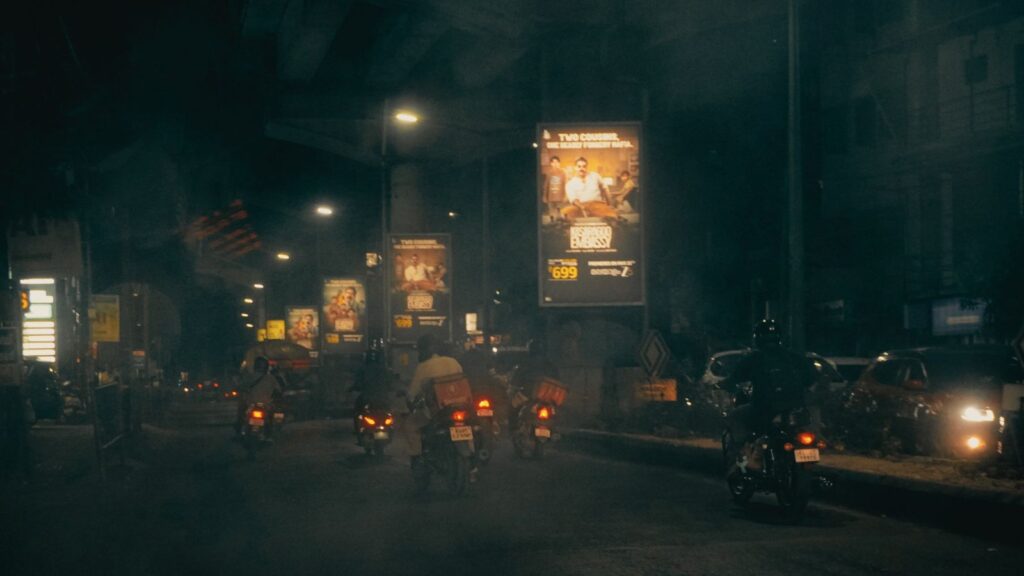
Roads are one of the most important aspects of a thriving civilisation. However, in recent years, the roadside regions have been taken over by commercial advertising. It’s not only the big billboards or hoardings, commercial posters are not only decreasing the aesthetic of roads but also litter the area. Let’s see how advertisement on roads are downgrading the value of roads and public space.
The Rise of Road Advertising
It all started with hand-painted signs on high rises. Then the digital billboards took over. The increase in cars means more eyes are on the roads during the journeys. As a result, companies decided to target their advertisements on the roadside. The primary reason for this step was to target more people and to reach out on a large scale.
What is Road Aesthetics?
The high appeal of driving on a particular road adds to the aesthetics. It is not limited to specific terrain. You can take quality road trips in the mountains, coastal areas and even forests.
However, all this beauty gets faded when you find an ad in the middle of it. The whole thing is not only annoying but an injustice to the environment.
How Advertisement on Roads Degrades Aesthetics
Advertisements are visual clutter that impacts your concentration. You are no longer able to focus on the quality of roads and views. Plus, the irrelevance of marketing campaigns does not improve the situation.
- Sensory Overload
- Signage is overwhelming neighborhoods.
- Light pollution.
- Lack of standardisation.
- Mismatched aesthetics.
Suppose you’re passing through an appealing area. However, the billboards obstruct your views. This is the reality of advertising. You can’t escape it on your devices. In fact, it will follow you around the world as well.
How Digital Billboards Are a Modern Menace
The new billboards are more tragic than traditional advertising ways. They are bright and can distract more people. Moreover, the dynamic ads amplify visual noise in the surroundings as well. This is not an issue of aesthetics but of public health as well.
The Psychological and Social Impact
Visual clutter is not good for anyone. It can elevate stress levels in the drivers. Moreover, you can easily find ugly environments promoting less civic pride. We don’t care about things that demand our negative attention.
Tourism is also affected by visual nuances in the form of advertisements. In this way, the roads repel the people, leading to fatigue.
Global Examples
Below are some areas where advertisements took over the entire space. All these places are known for heavy advertising areas.
- Times Square.
- Japan.
- South Korea.
Countries like India are also prime examples of bad regulation of advertising. You can find thousands of pamphlets, posters and boards around the roads. This is just a sad state of affairs for a nation that already struggles with civic sense and maintenance.
Who Is Responsible?
The municipal government’s weak regulatory framework is responsible for the visual clutter on the roads. At the same time, the advertising companies prioritise profit over public interest.
- Limited responsibility.
- No public apathy.
- lack of aesthetic.
But it is expected from these companies. However, the government can take some immediate actions against this visual aggression in the name of standard marketing.
Solutions and the Path Forward for Advertising on Roads
Strong legislation needs to oversee the advertising on roads. There needs to be zoning laws that prohibit advertising near heritage sites, nature, and residential areas. Also, the roadside billboards should not employ colours that distract people from travelling as well.
There should also be lighting restrictions for outdoor ads. This can only happen with public awareness regarding visual pollution. Moreover, we need to have more citizen-led movements that aim to harmonise public places.
Reimagining Road Advertising
Advertisements are everywhere. If you’re reading this, you will also find advertisements on the platform. However, when it comes to the physical world, there should be some limits.
- Green advertising.
- Murals.
- Plantscapes.
We want to create a beautiful atmosphere in order for communities to thrive. This is only possible when people integrate ads in a way that does not jeopardise the environment.
Final Thoughts on Advertisement on Roads
Roads are vital for civilisation, but increasing roadside commercial advertising is detracting from their aesthetic value and contributing to visual clutter. Advertisements hinder the natural beauty of routes, creating sensory overload and impacting public health by elevating stress and diminishing civic pride.
Responsibility lies with municipal governments and profit-driven advertising companies. The solution requires strong legislation to limit roadside advertising, especially near heritage sites and residential areas.