
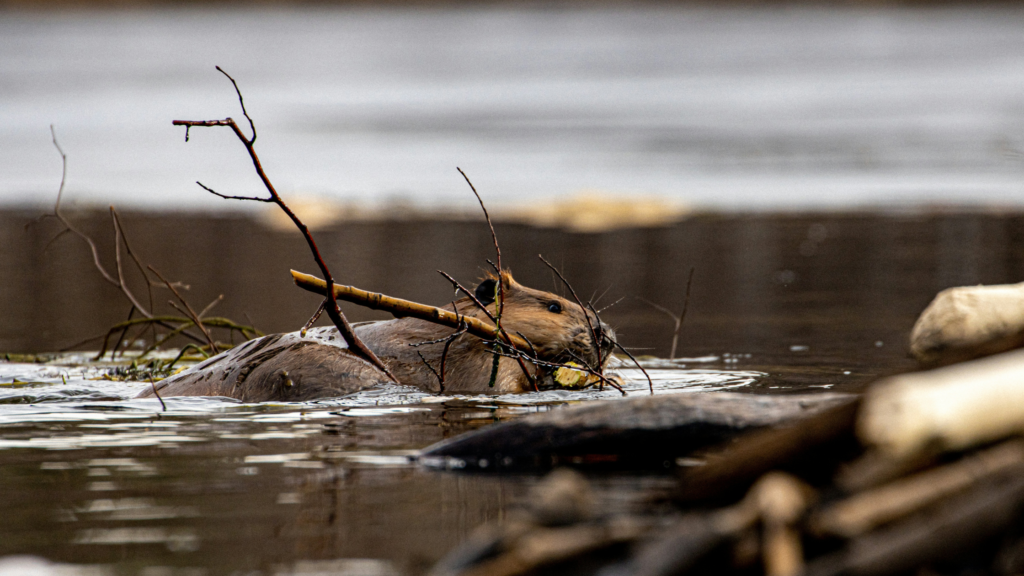
Natural Dams Constructed by Beavers
Beavers are nature’s engineers with the capabilities of influencing the environment. They are notable for building natural dams for both survival and instinctual purposes. But what is the reason for this ecological need? Let’s find out!
Beavers Instinct Behind the Natural Dams
Beavers have the instinct to build natural dams. It happens because of environmental conditions. One of the major factors is the sound of running water. It acts as a stimulus for Beavers. And the process of building the dam begins.
Survival Reasons for Building Dams
Many different aspects are associated with Beavers and their need to build dams. First, there is the survival instinct. The dams protect the Beavers from predators and big animals. Apart from survivability, Beavers also store food in the natural dams, which helps them build stable colonies.
- Predator protection.
- Food access in winter.
- Safe lodge construction.
The Engineering Process
Beavers use logs, mud, stones, and large tree branches to build dams. They use their teeth to collapse big trees into the water. The jaw strength of a Beaver is phenomenal for their size, and it can pull heavy items. However, building a dam is only a half process. Beavers never stop and always try to maintain their project.
A Beaver’s Ideal Habitat
The dam allows Beavers to build their natural habitat. They want to live in still and deep water. It is much safer in the immediate vicinity of fast streams. Moreover, to enter the Beaver’s territory, the entrance is below the waterline. It is mostly inaccessible to the large predators.
Ecological Impact of Beaver Dams
The regions constructed by Beavers are a natural process. It helps create wetlands and can also boost biodiversity. The whole process is a net positive for the environment and can serve multiple purposes.
Some of the perks of natural dams are listed below:
- Water table recharge.
- Drought resistance.
- Erosion control.
- Carbon sequestration.
Beavers as a Keystone Species
Beavers are unique creatures on Planet Earth. The dam-building activities not only ensure their survival but also that of other creatures. Various ecosystems thrive based on the beaver’s activity. So, imagining a region without Beaver is very challenging.
Organisms benefiting from beavers’ dams:
- Fish.
- Birds.
- Amphibians.
- Plants.
Human Conflict and Coexistence
Human beings will always face conflicts when we try to push the natural boundaries. Similarly, the case is with coexistence with nature. Human activities impact nature, and nature impacts human activities.
Beavers are known to flood farmland and roads. This could be a major issue in discussions of sustainable development. However, to resolve these issues, we need to curate better solutions. This includes flow devices and relocation.
Final Thoughts on Natural Dams and Beavers
Beavers are renowned for their natural dam-building, driven by instinct and survival needs. They are stimulated by the sound of running water to begin building, which helps protect them from predators, facilitates food storage, and creates secure lodges.
Constructing dams involves using logs, mud, and stones, and beavers continuously maintain their projects. These dams foster ideal habitats in still water, making them less accessible to threats.
Ecologically, beaver dams contribute positively by creating wetlands, enhancing biodiversity, and providing various environmental benefits. As keystone species, beavers support numerous organisms.
Human-beaver conflicts arise when their activities flood farmland and roads. Therefore, necessitating sustainable coexistence strategies can be a big help!