
Introduction
Inflammation is one of the world’s biggest problems. Also known as allergies, inflammation is the body’s response to foreign particles, such as dust, pollen, and microorganisms. Without proper medication, inflammation can cause serious problems throughout the body. Apart from antihistamine-based medications, some plants also have anti-inflammatory actions. Let’s look at some of the best plants for inflammation and allergies that you can consume.
Best Plants for Inflammation and Allergies
Before diving into the plants, please consult a doctor about your condition. Yes, the plants can have healing properties for inflammation, but it doesn’t mean you should reject the necessary medications. Some conditions are less concerning, while others require high-quality antihistamines. So, be careful in your approach. The plants are the only additional resources that may provide relief for your condition.
1. Turmeric
It is a potent anti-inflammatory plant that contains curcumin. Apart from its anti-inflammatory uses, Turmeric is widely used in Indian cuisines. It gives the food a vibrant yellow colour. You can take Turmeric and boil it with some milk to relax during allergy season. However, if you’re lactose intolerant, you can boil Turmeric pieces in water and drink the tea.

2. Ginger
It is rich in gingerol, which also has potent anti-inflammatory properties. You can grow Ginger in your backyard, and it is widely used in Indian cuisines. Not only that, Ginger is a great ingredient for making tea (masala chai). It is also beneficial for sore throat and coughing. If you’re feeling under the weather from allergies, try a sip of hot ginger tea.

3. Tulsi/Holy Basil
Also known as Holy Basil, Tulsi is a household plant in India. Rich in eugenol, Tulsi is a great solution for inflammation during the seasonal changes. Just boil a few fresh basil leaves in water for a while, then enjoy the tea. It will surely help you feel relaxed during the allergic reactions. Moreover, it can be combined with other plants, such as ginger or black pepper, to make a more potent tea for colds or allergies.

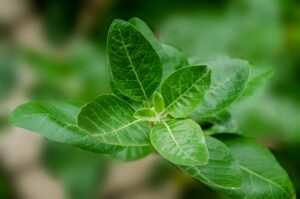
4. Ashwagandha
Withania somnifera is great for the human body. It is a native plant and cultivated in India. Ashwagandha has the potential to lower inflammation markers and provide bodily relaxation. However, it has some side effects that should be discussed with a professional. Other than that, you can consume it in a balanced manner.
5. Black Pepper
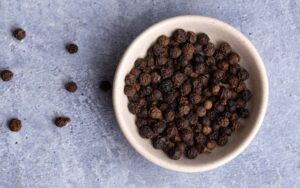
The piperine in pepper reduces inflammation. It is grown in Indian gardens and is also a vital spice for a variety of dishes. Black pepper is famous worldwide for its aroma, taste and flavour. On top of that, it also has the potential to reduce allergies. So, if you want relaxation, you can crush a few black pepper grains into your next dish or hot drink.
6. Aloe Vera
It thrives in Indian climates. You can even grow Aloe Vera in your home. It is great not only for your skin and hair but also for inflammation. If you’re suffering from allergies, take a spoonful of aloe vera with hot water. It may improve your condition and help you relax.

7. Amla
Indian Gooseberry is rich in vitamins and anti-inflammatory properties. It is very common in India and has over three main varieties. All are great for allergic reactions. You can either eat Amla directly or extract its juices using a crusher. It might be too sour for your consumption; therefore, take it with some water.

8. Mint
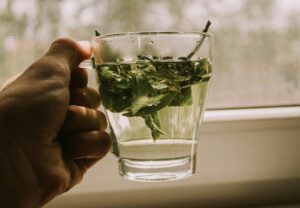
Mint is not only good for drinks, chutneys, or yoghurt dips. You can make yourself a soothing tea with mint leaves. Just wash a couple of leaves and boil them for a few minutes. The mint tea is a great solution for your inflammation. So, enjoy!
Final Thoughts on the Best Plants for Inflammation and Allergies
You can find many plants for inflammation and allergies in India with potent abilities to treat allergic reactions. All you have to do is consume the listed plants in hot tea form.
However, if your problem is not seasonal, it is advisable to visit a professional. Not all allergies are the same, as some can be lethal to your body. Therefore, don’t take any chances!