
Introduction
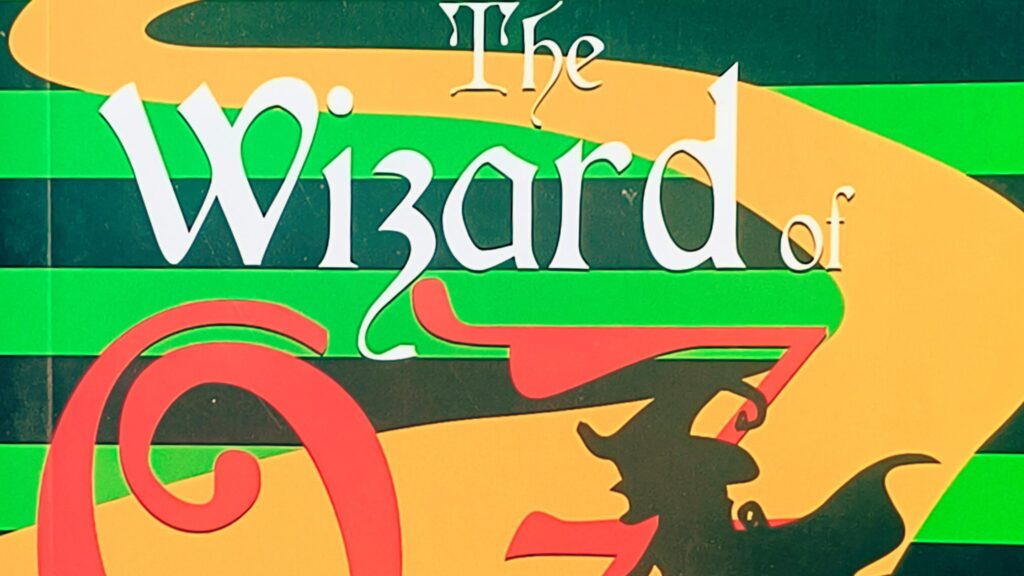
The Wizard of Oz is a book by L.Frank Baum that was originally published on 17 May 1900. It is one of the most renowned works in children’s literature. To this day, the book holds a special place in American literary history. So, let’s explore some of the central journeys and themes of the Wizard of Oz.
Plot Summary of The Wizard of Oz
Without spoiling the major plots of the book for you, let’s briefly look at the story. It starts with the ordinary life of Dorothy in Kansas, who, with her dog, was swept away by a cyclone. The disaster sent her to the mysterious land of Oz.
“True courage is in facing danger when you are afraid…”
Here, she met different people and encountered troubles. The land was magical and unbelievable, but Dorothy wanted to go back home. Therefore, she ventured on her journey to meet the great magician in Oz, who held solutions to Dorothy’s problems.
On her way to the Wizard of Oz, Dorothy made a lot of friends. With the help of her accomplices, she overcame trouble and ultimately met the wizard.
Major Characters and Their Symbolism
The central character of the story is Dorothy, and she symbolizes innocence and courage. These traits are often visible in kids. During the journey, she saw significant character development. This happened because of the experience and the friends she made along the way.
Other characters and their symbolism are listed below.
- The Scarecrow: Self-doubt to a wise figure.
- The Tin Woodman: Seeking a heart, which he always had!
- The Cowardly Lion: Fearful to courageous figure.
- The Wizard: Illusive to a realist personality
Themes of The Wizard of Oz By Frank Baum
The books explore various themes of human values through different characters. Each character had some flaws or self-doubts that they overcame during the journey. One of the biggest themes is exploring the power of self-belief to overcome obstacles.
“Some people without brains do an awful lot of talking, don’t you think?”
Frank Baum also explores an individual’s attachment to their home. Even though Dorothy entered the magical world where she was a messiah figure, she still wanted to go back home. This wonderfully explores the lasting quote, ‘there’s no place like home.’
The power of friendship is also visible in the novel. It is crucial for us as individuals to understand social life and help each other with problems. Thus, it’s a great message to teach young kids.
Writing Style and Narrative Technique in The Wizard of Oz
Frank Baum’s simple, effective use of the English language makes his work easier for everyone to understand. The Wizard of Oz is an imaginative world-building, suitable for children’s stories.
“A heart is not judged by how much you love; but by how much you are loved by others”
Not only does he use the fantasy to explore real-life human issues, but he also beautifully embeds all this in the adventure of Dorothy and her friends.
Cultural and Literary Impact of the Wizard of Oz
The book had a lasting impact on children’s fantasy literature. The book had many successful adaptations, whether it’s movies or plays. Therefore, it had a lasting popularity in global culture. Even to this day, the Wizard of Oz is relevant.
Strengths of the book:
- Memorable characters.
- Strong moral foundation.
- Engaging storyline.
- Universal themes.
- Rich, imaginative setting.
Potential Criticisms of the Wizard of Oz
The main problem with the book is its simple nature. It might not feel complicated for modern readers. Because it was written for children, some adult readers may find the narrative predictable. Also, there’s not much complexity to characters compared to long modern fantasies.
“I think you are wrong to want a heart. It makes most people unhappy. If you only knew it, you are in luck not to have a heart.”
Final Thoughts on The Wizard of Oz By Frank Baum
The Wizard of Oz is one of the most imaginative works of American literature. The simple children’s book takes you on a journey through a magical land and its troubles. It also highlights some of the significant issues of human existence—the yearning to go back home. Thus, it’s a wonderful read regardless of age and has a reputable place in modern literature.
“There is no place like home.”
Note: All the quotes are taken from the book.