
Introduction
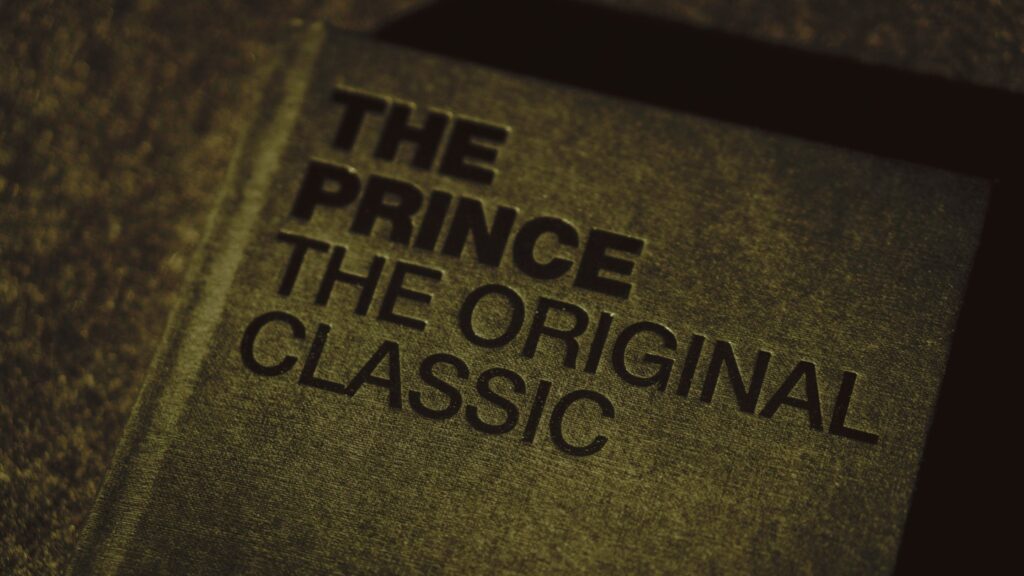
The Prince by Niccolò Machiavelli is one of the most influential works of Western literature. It is an insightful book that dives into the niches of power and leadership. Written during the political chaos of Renaissance Italy, the book serves as a guiding light for those who aspire to power and glory. That’s why, still to this day, the book continues to influence politics, business, and strategy worldwide.
1. Power Is Better Secured Than Loved
The ability to make decisions and to support others’ life choices is real power. But it comes at the price of invoking position rather than love. Using fear, the leaders must invoke their power in other minds to keep their backs safe. It’s because with power, your opponent becomes weak, and as a result, they respect authority more.
“Everyone sees what you appear to be, few experience what you really are.”
2. Morality and Politics Rarely Align
There is objective morality; however, in the realm of politics, it is negligible—only the result and your survival matter in the long run. As a leader, being ethical will reduce your chances of a longer and peaceful reign. The prince has to make tough decisions, which might be morally corrupt or unnecessary. But that’s the price of the state’s throne, which you aspire to hold in life.
“If an injury has to be done to a man it should be so severe that his vengeance need not be feared.”
3. Appearance Often Matters More Than Reality
In reality, the prince can be the most evil person. However, if he’s perceived positively by the public, then it is the only thing that matters. Your legitimacy as a leader is ingrained in others’ opinions.
“The first method for estimating the intelligence of a ruler is to look at the men he has around him.”
Therefore, the leader should aspire to be virtuous seeming rather than a good person in reality. It is the only way you can protect your authority for a long time.
4. Fortune Favours the Bold, Not the Cautious
At some point in the leader’s life, they have to make tough decisions. Being cautious will not reap any positive rewards. It’s because half of human affairs are controlled by luck. Your hesitation could be the perfect recipe for a downfall. Therefore, it’s better to be decisive in the moment than indecisive forever after!
“The vulgar crowd always is taken by appearances, and the world consists chiefly of the vulgar.”
5. Cruelty, If Used, Must Be Strategic
The world is cruel. If you’re too blind to see, then you’re doomed to failure. A fulfilling life demands cruel choices. But that is the cost of living in prosperity. It doesn’t mean ravaging a storm on the innocent, but destroying the parts of your being that hold you back. It also means showing mercy and being open to burning bridges with your opponents.
“Of mankind we may say in general they are fickle, hypocritical, and greedy of gain.”
Final Thoughts on The Prince by Niccolò Machiavelli
The book challenges idealistic leadership models and offers a reality check for those who aspire to leadership. They have to make tough, cruel choices that can erode the positive essence of their souls. But that’s the price of a crown in the material world. Therefore, if you’re striving to be a successful leader, you should first understand power and then try to work towards it.
“Wisdom consists of knowing how to distinguish the nature of trouble, and in choosing the lesser evil.”